
May 26, 2026
Foldable Houses That Ship Anywhere
Featured: The Cheapest Seats in the Arms Race
A Home Delivered to You. Unpacked in One Hour.
Imagine a future where we could mass produce homes like cars – one every minute. That’s the vision of BOXABL Inc. (“BOXABL”), a company with the goal of leading a homebuilding revolution with high quality, cost effective, factory-made, foldable houses that ship anywhere and unpack in one hour.
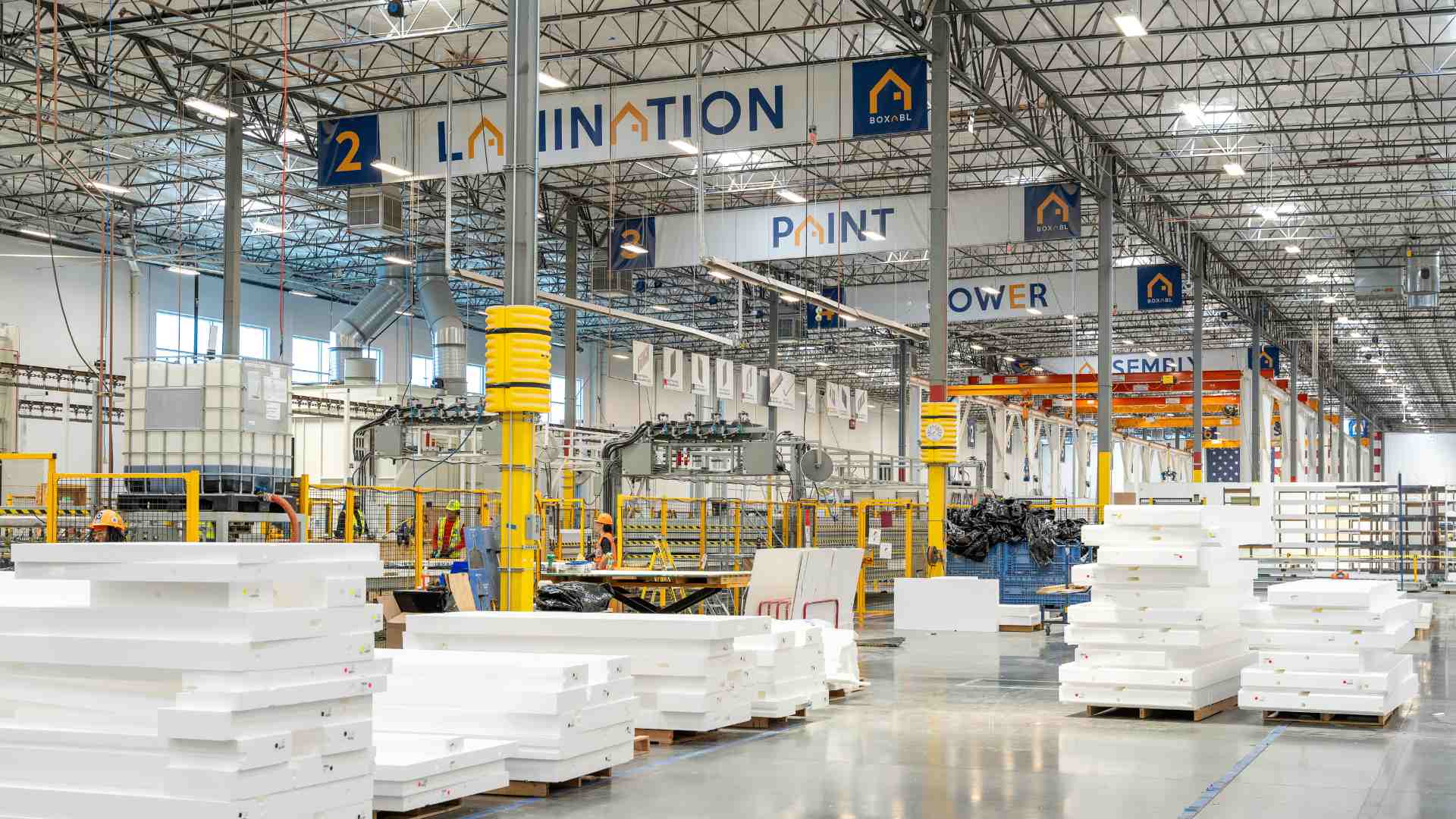
BOXABL announced plans for a potential SPAC merger with FG Merger II Corp. (“FGMC”) (NASDAQ: FGMC). After crowdfunding $230M from over 60,000 investors since 2020.
Currently trading on Nasdaq, $FGMC will be the surviving entity following the proposed merger’s closing. The combined company will then be renamed BOXABL Inc., with the anticipated ticker $BXBL.
BOXABL expects Nasdaq trading on or about June 9th. Investors holding $FGMC shares will automatically convert to $BXBL upon closing.
FGMC on Yahoo Finance
https://finance.yahoo.com/quote/FGMC/
Click here to find important information related to the proposed merger: ir.boxabl.com
Featured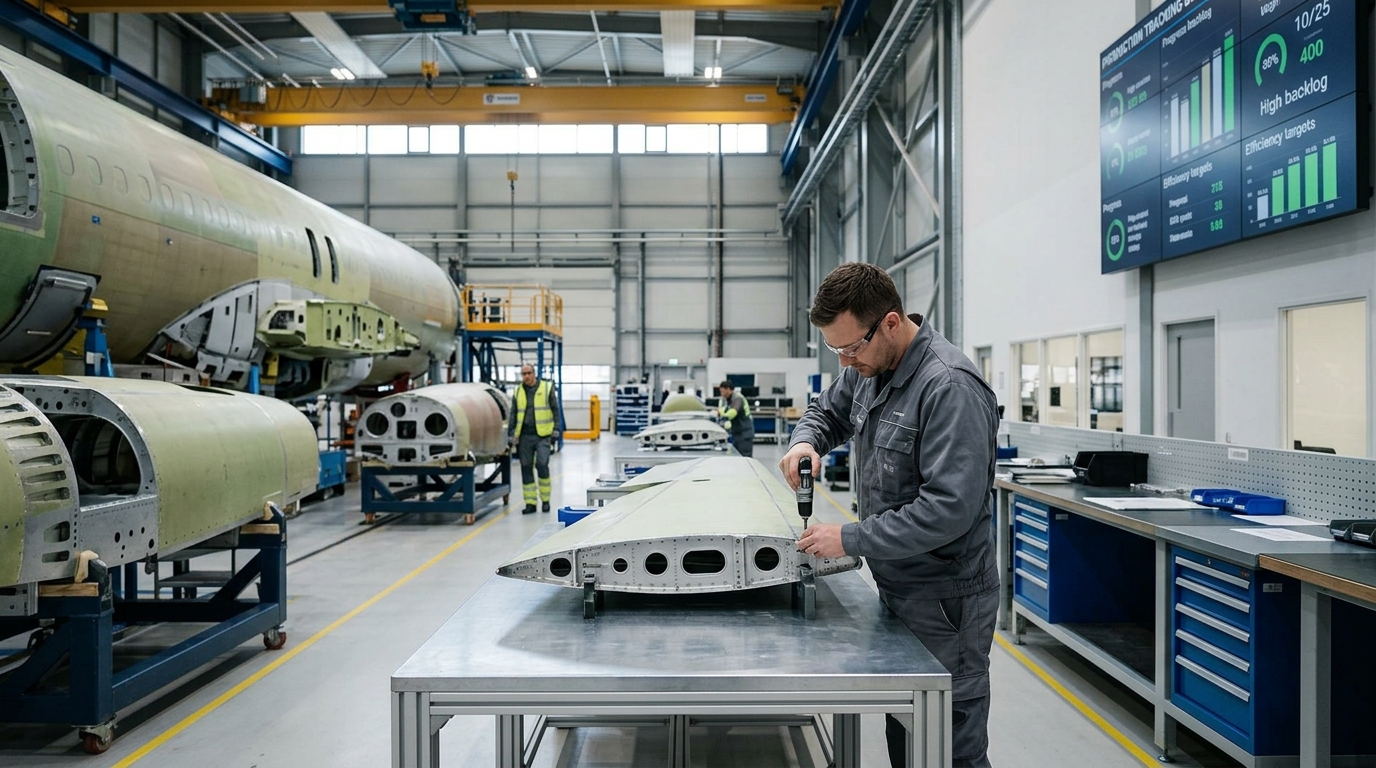
The Cheapest Seats in the Arms Race
Hey there, bargain hunter.
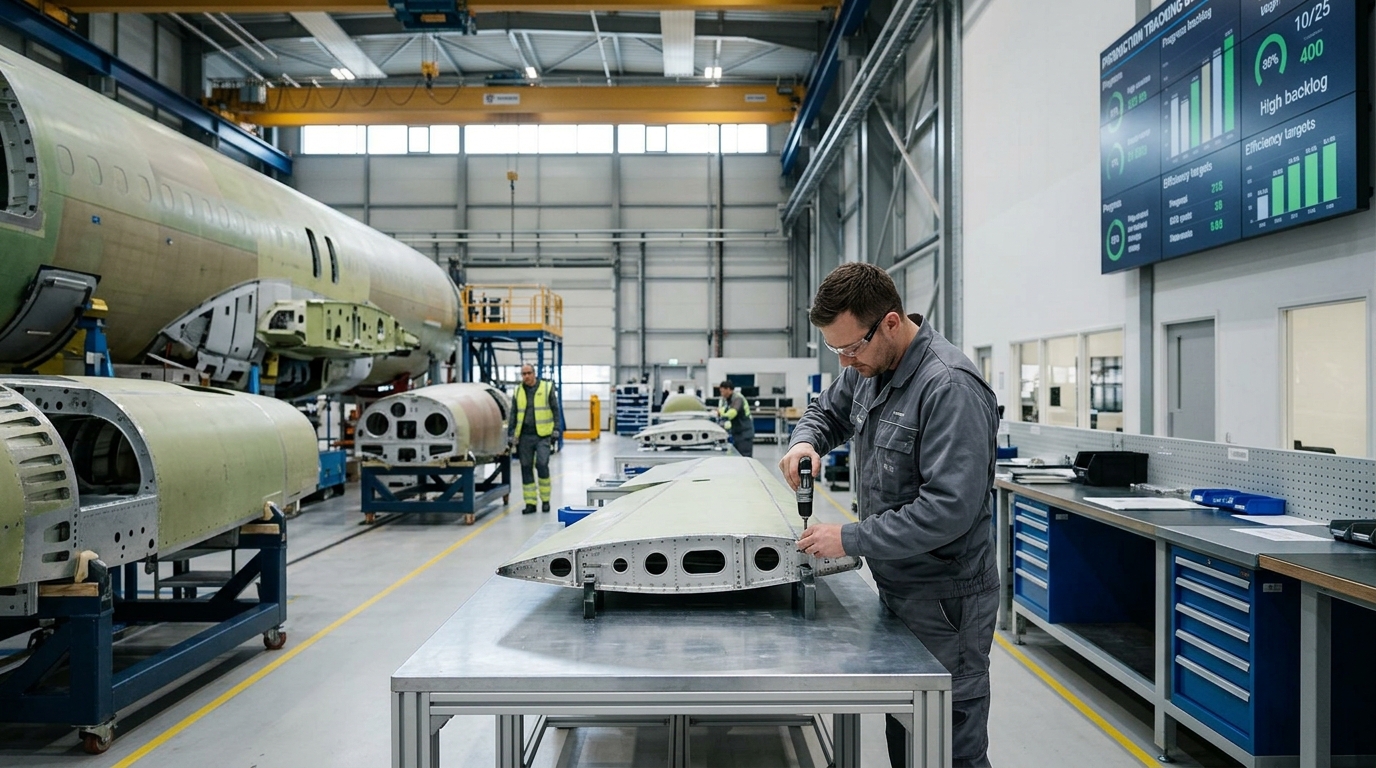
Global defense budgets are closing in on $2.7 trillion a year. That number is not slowing down. NATO’s benchmark just moved from 2% to 5% of GDP. Trump’s proposed FY2027 defense budget came in near $1.5 trillion. The Golden Dome missile shield alone could represent north of $250 billion in spending over the next two decades, possibly much more. This is not a cycle. It’s a structural budget shift, and it’s been underway long enough now that calling it a theme feels almost quaint.
What’s interesting is where the value still sits.
European defense stocks have already re-rated aggressively. U.S. names – specifically LMT, RTX, and NOC – are still trading at a relative discount. That gap is the opportunity, and the numbers behind it are worth understanding.
Lockheed Martin carries a backlog of $186.4 billion as of Q1 2026, with roughly $63 billion expected to convert into revenue over the next 12 months. The company delivered 191 F-35s in 2025 and is the primary architect of the Golden Dome initiative. 2026 guidance stands at $77.5B–$80B in sales and $6.5B–$6.8B in free cash flow. The Street consensus price target sits around $621–$627, implying meaningful upside from current levels. Q1 2026 results were softer operationally, but full-year guidance was maintained – which, at this backlog size, carries more weight than any single quarter.
Slight tangent, but it matters: LMT just broke ground on a new Munitions Production Center in Troy, Alabama. Capacity expansion is not a talking point here – it’s happening in the ground.
Millionaire warns: “Move your money now.”
Larry Benedict generated $274 million in profits for his clients by knowing where money flows when the Federal Reserve shifts.
He says Trump’s Fed Takeover is triggering the most significant shift in U.S. markets in nearly 20 years.
He’s already identified the one ticker he expects billions to flood into… and he’s giving away the name for free.
Click here to get the full details before the window closes.
RTX had the cleanest Q1 in the group. Adjusted sales hit $22.1 billion, up 9% year over year. Adjusted EPS jumped 21% to $1.78. The company raised full-year guidance to $92.5B–$93.5B in adjusted sales and $6.70–$6.90 in adjusted EPS. Backlog hit a record $271 billion – up 25% year over year – with defense bookings of $14 billion in Q1 alone, compared to $9 billion a year ago. Raytheon munitions deliveries were up more than 40% year over year. RTX is the most reactive name in the group to geopolitical news flow, which cuts both ways, but the underlying demand picture is not ambiguous.
Northrop is the long-duration hold. NOC carries a $95.6 billion backlog, reaffirmed 2026 sales guidance of $43.5B–$44B, and EPS guidance of $27.40–$27.90. Q1 2026 net earnings rose 82% to $875 million, driven partly by the absence of last year’s B-21 loss provision and stronger margins in Aeronautics and Mission Systems. The B-21 Raider production ramp is accelerating, backed by a $2–$3 billion multiyear investment deal with the Air Force. A ceasefire in any active theater does not cancel a nuclear modernization program running into the 2040s. That distinction matters.
The risk worth watching across all three is execution – not demand. Backlogs at this scale shift the question from winning contracts to delivering them. Labor shortages, supply chain pressure, rare earth exposure, and fixed-price contract risk on programs like B-21 are all real headwinds. Any of them can move these stocks lower quickly, regardless of what the Pentagon is spending.
But multi-year backlogs do not reset on a single headline.
LMT is the core position. NOC is the long-duration anchor. RTX is where you add on weakness. The world is rearming, and these three companies are building most of the arsenal – while still trading cheaper than the European names that have already priced in the same reality.