October 1, 2026
Bonus Content: Hormel Is Spending $1.055 Billion on Chicken. Here Is What That Does to Its Dividend.
Two Metals. Two Megatrends. One Under-$1 Story.
Investors usually separate gold and silver into two very different trades.
Gold is the hard-asset trade. It gets attention when central banks are buying, currencies feel shaky, and investors start looking for something outside the paper system.
Silver is different. It has the precious metals DNA, but it also gets pulled into the real economy: AI infrastructure, electronics, defense, EVs, and grid demand.
One is about protection. The other is about pressure. That’s why this under $1 story is worth a double take.
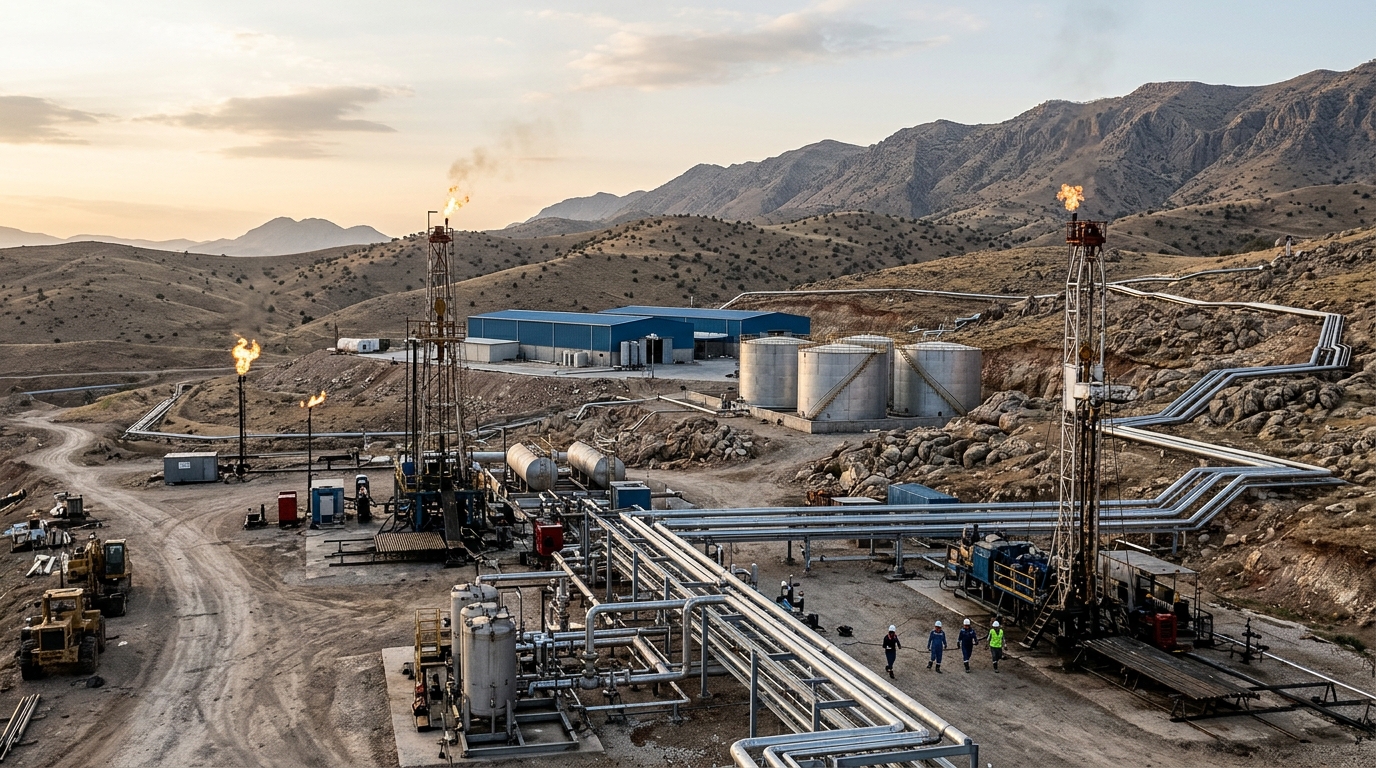
It’s not asking investors to choose between the two. It has above-ground material tied to both gold and silver, with 2026 production timing and cash flow within sight.
So the setup is not just “gold is up” or “silver is tight.” It is a small company sitting between both metals at a moment when both are becoming harder to ignore.
Gold gives the monetary story. Silver gives the industrial squeeze.
And the cash flow potential gives this under $1 name something most junior explorers are still years away from.
Hormel Is Spending $1.055 Billion on Chicken. Here Is What That Does to Its Dividend.
Hey there, bargain hunter. Hormel just handed over a billion-dollar check for a chicken processor most of the investing world has never heard of. The question is not whether chicken is a good business. The question is what this costs a company already hauling about $2.9 billion in fixed-rate senior notes and a payout ratio that has stretched well past 100%.
Scoreboard
Deal price: $1.055 billion cash. Target: Brakebush Brothers, LLC, Westfield, Wisconsin. Announced: September 30, 2026. Expected close: Q1 fiscal 2027. HRL on the day: up less than 1%.
The market greeted the announcement with a shrug. That reaction is not wrong.
What Hormel Is Actually Buying
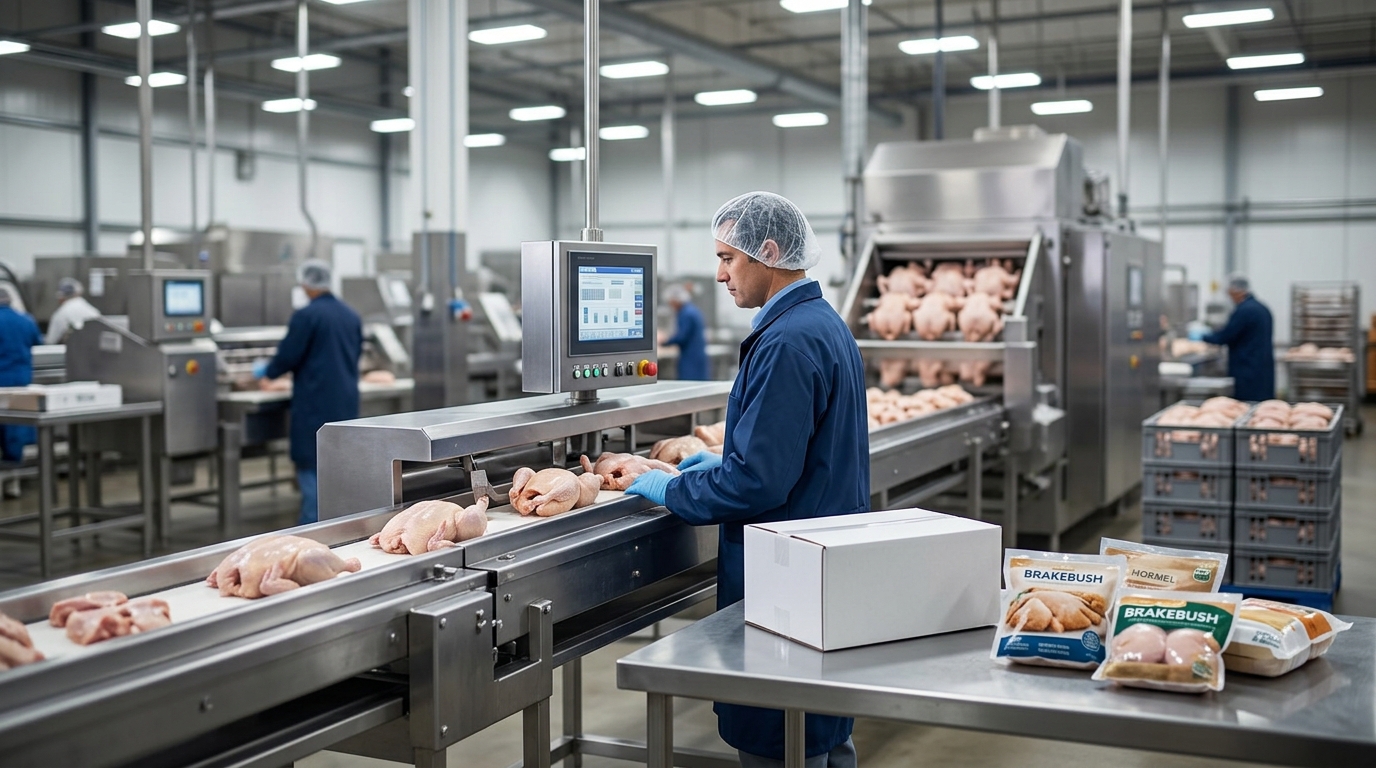
Brakebush is a 101-year-old, family-owned further-processor of chicken, selling breaded tenderloins, nuggets, and chicken breasts almost entirely into foodservice. Five plants, two R&D labs, a direct sales force, and national restaurant operator relationships. It is not a commodity chicken company. It does not own birds. It buys raw chicken and transforms it into finished, value-added items that can carry better margins than undifferentiated breast meat.
Brakebush generated approximately $1.2 billion in net sales over the last 12 months. At $1.055 billion, Hormel is paying about 0.9 times trailing revenue. That sounds cheap until you flip to the EBITDA line. Hormel disclosed an implied acquisition multiple of 10.7x estimated 2026 adjusted EBITDA before synergies, dropping to 8.9x once roughly $20 million in annual run-rate cost synergies are realized by the end of fiscal 2028.
The Balance Sheet Math
Here is where bargain hunters need to read carefully. As of July 26, 2026, Hormel held about $840 million in cash and cash equivalents on its balance sheet and about $2.9 billion of fixed-rate unsecured senior notes. Hormel will fund this acquisition with a combination of cash on hand and new long-term debt, and the company says pro forma net debt to adjusted EBITDA at closing is expected to be slightly above its stated 1.5x-2.0x long-term target range.
Layer on $1.055 billion of deal funding and the leverage picture tightens. Management says it expects to return within the target corridor during fiscal 2027 itself, which implies meaningful deleveraging from combined-company cash generation.
The dividend is the sticking point. Hormel has paid consecutive quarterly dividends for 392 straight quarters. The current rate is $0.2925 per share quarterly, or $1.17 annualized, yielding near 5.9% at recent prices. Dividend growth has slowed to roughly 1% year over year. The payout ratio on trailing earnings sits above 100%. Adding more debt while earnings remain under pressure does not make that ratio easier to manage. Management has been clear it wants growth via acquisitions, but paying for acquisitions with borrowed money while your payout ratio is stretched is a tension worth watching closely.
Is the Price Sensible?
At 8.9x post-synergy EBITDA, Hormel is paying roughly in line with where it trades itself. Hormel’s own EV/EBITDA has drifted between 11x and 15x depending on the quarter you pick. Buying a private, foodservice-concentrated processor with zero retail brand premium at 8.9x synergized EBITDA is not obviously expensive for the category. The strategic fit is real: this deal meaningfully expands Hormel’s value-added chicken exposure, adding scale in the meat category that has consistently taken share from beef and pork at the restaurant level.
The EPS accretion case, however, is a 2028 story. Hormel says it expects the deal to be accretive to adjusted earnings per share beginning in fiscal 2028. Fiscal 2027 results will carry acquisition costs, integration expenses, and higher interest charges before Brakebush’s contribution fully flows through. Management’s fiscal 2026 adjusted EPS outlook has been guided in the range of $1.43 to $1.51.
Bull / Base / Bear
- Bull: Chicken foodservice demand keeps compounding, synergies arrive early, leverage normalizes during fiscal 2027, and the deal becomes a clean earnings driver by 2028.
- Base: Integration takes the full expected timeline, synergies hit $20 million on schedule, EPS accretion begins in fiscal 2028 as guided, and the dividend holds flat.
- Bear: Restaurant traffic softens, Brakebush margins disappoint, interest costs bite harder than modeled, and the dividend raise streak snaps after about 60 years.
Cheap Investor Scorecard
- Deal multiple: 10.7x EBITDA pre-synergy, 8.9x post. Reasonable, not cheap.
- Leverage: Expected to be slightly above the 1.5x-2.0x target range at close. Monitor quarterly.
- Cash on hand pre-deal: About $840 million. Deal likely needs new debt.
- Synergy target: ~$20 million annual run-rate by the end of fiscal 2028. Small relative to deal size.
- EPS accretion start: Fiscal 2028. No near-term boost.
- Dividend yield: ~5.9% at current price. Payout ratio above 100%.
- Consecutive dividend payments: 392 quarters. Streak is real but costly to maintain.
Bottom Line
If Brakebush’s margins hold and Hormel deleverages as quickly as management projects, this is a defensible acquisition at a fair price in a growing protein category. If restaurant traffic stalls or integration costs run over, a balance sheet already carrying about $2.9 billion in fixed-rate senior notes absorbs the pain first, and a 60-year dividend streak becomes the next conversation. Watch the Q1 fiscal 2027 filing for the first read on actual leverage. That number tells you more than the announcement does.