
June 1, 2026
CoreWeave: The market’s favorite rented GPU factory
CRWV is surging again, but the real story is backlog, capex, and customer concentration.
Hey there, bargain hunter.
CoreWeave (CRWV) is acting like the kind of stock that refuses to calm down. The pitch is simple: if the world wants more AI, somebody has to provide the compute. CoreWeave sells that compute without pretending it’s a consumer brand, and the market keeps rewarding it.
Scoreboard
- Price (verified, June 1, 2026): about $126.74
- Day range: roughly $112.14 to $126.89
- Market cap: about $66.8B
- EPS / P&E view: EPS around -2.72 and a negative P/E shown (still not a “cheap on earnings” story)
- Public market clock: began trading on Nasdaq as CRWV on March 28, 2025
Translation: investors are paying for growth and capacity, not current profits. That can work for a while. It just comes with a different kind of risk.
Massive 512,000-Line Data Leak Exposes Shocking AI Breakthrough
60-year Wall Street veteran and financial technology pioneer Marc Chaikin recently reviewed a massive data leak inside one of the world’s biggest AI labs. He discovered a hidden mechanism in the code that could create extraordinary wealth for savvy investors – and inflict grave financial hardships on everyone else.
The real reason the stock keeps moving
What matters isn’t that “AI is hot.” The part people skip is expectations and timing.
GPU capacity demand is urgent and uneven. A lot of teams don’t have the patience, staffing, or risk tolerance to build data centers and source accelerators on their own. They want compute now, even if it’s not the cheapest path over five years. CoreWeave sells that “now.”
Also, a little human note: the market tends to fall in love with the company standing closest to a bottleneck. Today, that bottleneck is high-end AI compute. Tomorrow, it might be power, networking, or something else entirely. That’s why momentum names can feel unstoppable right up until they aren’t.
Deep dive: what CoreWeave actually sells
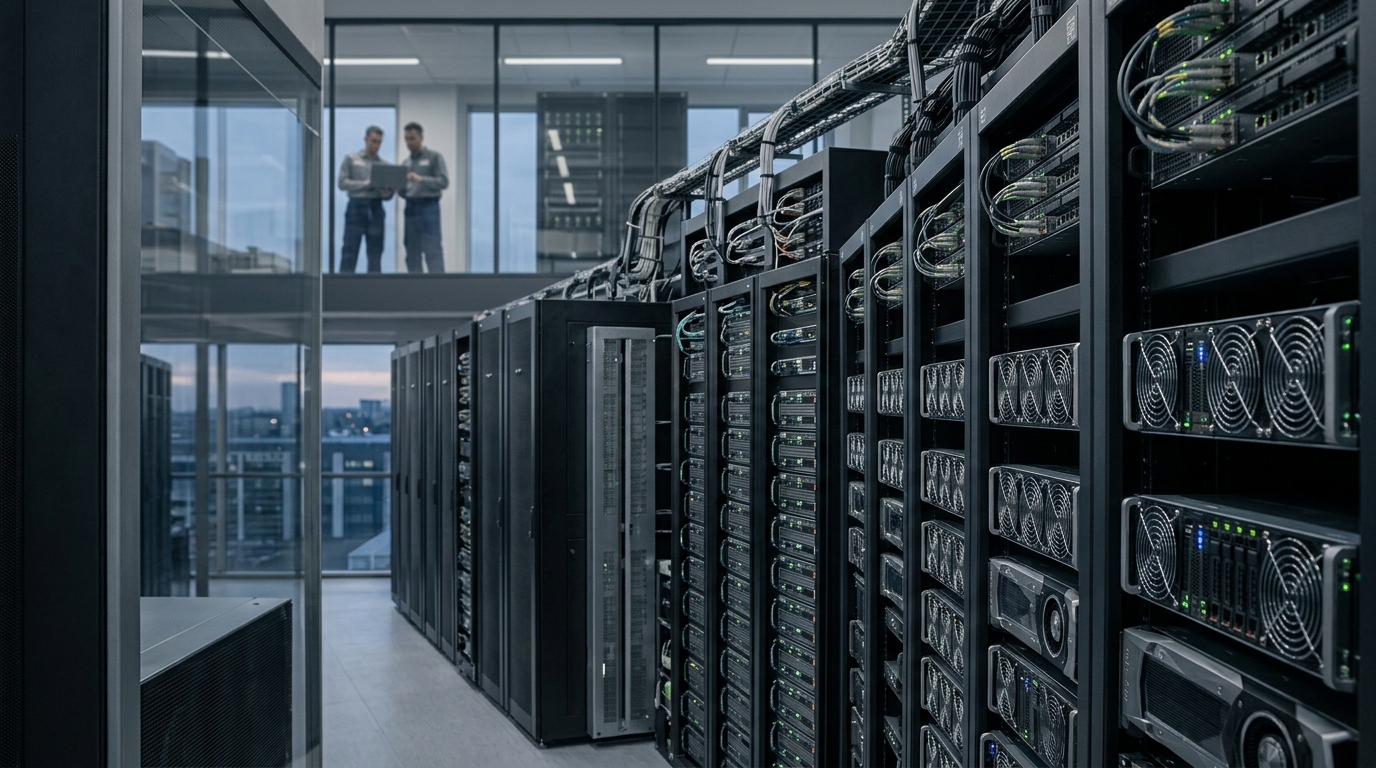
CoreWeave is a specialized cloud provider built around Nvidia GPUs. It buys and deploys GPU-heavy infrastructure in data centers, then rents that capacity to customers training and running AI models. Think “GPU compute as a utility,” sold in bulk to teams who would rather not assemble data centers like LEGO sets.
Slight tangent, but it matters: this business has a “boom town landlord” feel. When demand is hot, utilization is high and pricing is your friend. When supply finally catches up, you still have maintenance, depreciation, and financing to deal with. Those bills don’t care about vibes.
Data that’s worth anchoring on
Start with backlog, because backlog is the closest thing to oxygen in this model.
- Backlog: CoreWeave reported $55.6B of revenue backlog as of September 30, 2025.
- Company update cadence: CoreWeave reported first quarter 2026 results for the period ended March 31, 2026.
- Funding reality: CoreWeave priced an upsized $3.5B convertible senior notes offering in May 2026.
Backlog tells you demand is real. The convert offering tells you something else: this is an expensive business to scale. You don’t build GPU clusters with spare change found under the couch cushions.
Is it cheap?
On classic value metrics, no. Negative earnings means you’re not buying CRWV because it looks inexpensive on a P/E screen.
You’re really underwriting a few questions: how fast backlog converts into revenue, whether utilization stays high as the fleet expands, what incremental margins look like as the platform scales, and how many times the company needs to raise money to keep the build-out moving.
Here’s where I’m at: if demand stays ahead of supply for longer than the market expects, the stock can keep trading at a premium. If supply loosens faster than expected, “premium” can turn into “why did I pay that” in a hurry.
How did Mitt Romney reportedly turn $450,000 into tens of millions inside a retirement account?
And how did Peter Thiel grow a small IRA into one of the most talked-about retirement accounts in history?
The answer wasn’t timing the market.
It was access.
For years, certain investments were largely reserved for institutions and wealthy insiders. Now, some of those same opportunities are becoming more accessible.
Alexander Green recently put together a presentation explaining the trend, the fund he’s watching, and why he believes it deserves a closer look.
Bull, base, bear
- Bull: backlog keeps expanding, utilization stays high, and multi-year deals keep landing. Operating leverage improves as deployments scale.
- Base: demand stays strong but pricing normalizes; growth remains high but less explosive. The stock gets choppier as investors debate funding needs and margins.
- Bear: customer concentration bites, supply loosens, and financing gets more expensive right when capex is still heavy. The stock can drop hard without the business “breaking.”
Action plan (cost-conscious version)
If you’re conservative, treat CRWV like a position you earn, not a position you declare.
- Starter size: small enough that a 30% drawdown is annoying, not portfolio-defining.
- Add rule: add only after you see backlog growth and evidence utilization is holding up, not just because the price keeps rising.
- Trim rule: if the stock runs far ahead of what you can justify with the data, trim a slice. You can always buy back later.
If you’re aggressive, fine, but be honest about what you own: a capital-intensive compute supplier in a demand boom. Those booms end. Usually right after everybody gets comfortable.
Cheap Investor scorecard
- Backlog growth quarter to quarter
- Revenue growth versus capex growth (are they scaling efficiently?)
- Utilization indicators (any hints of slack capacity)
- Customer concentration trends
- Gross margin and operating margin direction
- Debt and converts: size, pricing, and frequency
- Nvidia supply access and timing of new GPU deployments
- Any signs customers are bringing more workloads in-house
A little-known decision from the 1930s changed the value of gold overnight.
Now, some analysts believe a similar conversation is quietly resurfacing.
Whether it leads anywhere remains to be seen.
But the history behind it is fascinating.
A new report explains what happened, why it mattered, and why some investors are paying attention again today.
Read The Great Gold Reset here.
Bottom line
If outsourced AI compute stays scarce, CRWV can stay expensive and keep working. If supply catches up faster than expected, the stock can get humbled even while the business is still growing.
Worth a look: open the most recent quarterly release, then ask one question that cuts through everything else. Is backlog turning into cash fast enough to fund the next wave of GPUs without constant trips to the financing window?