May 12, 2026
When Inflation Crashes the AI Party
The April CPI report just reminded chip investors that rates still matter.
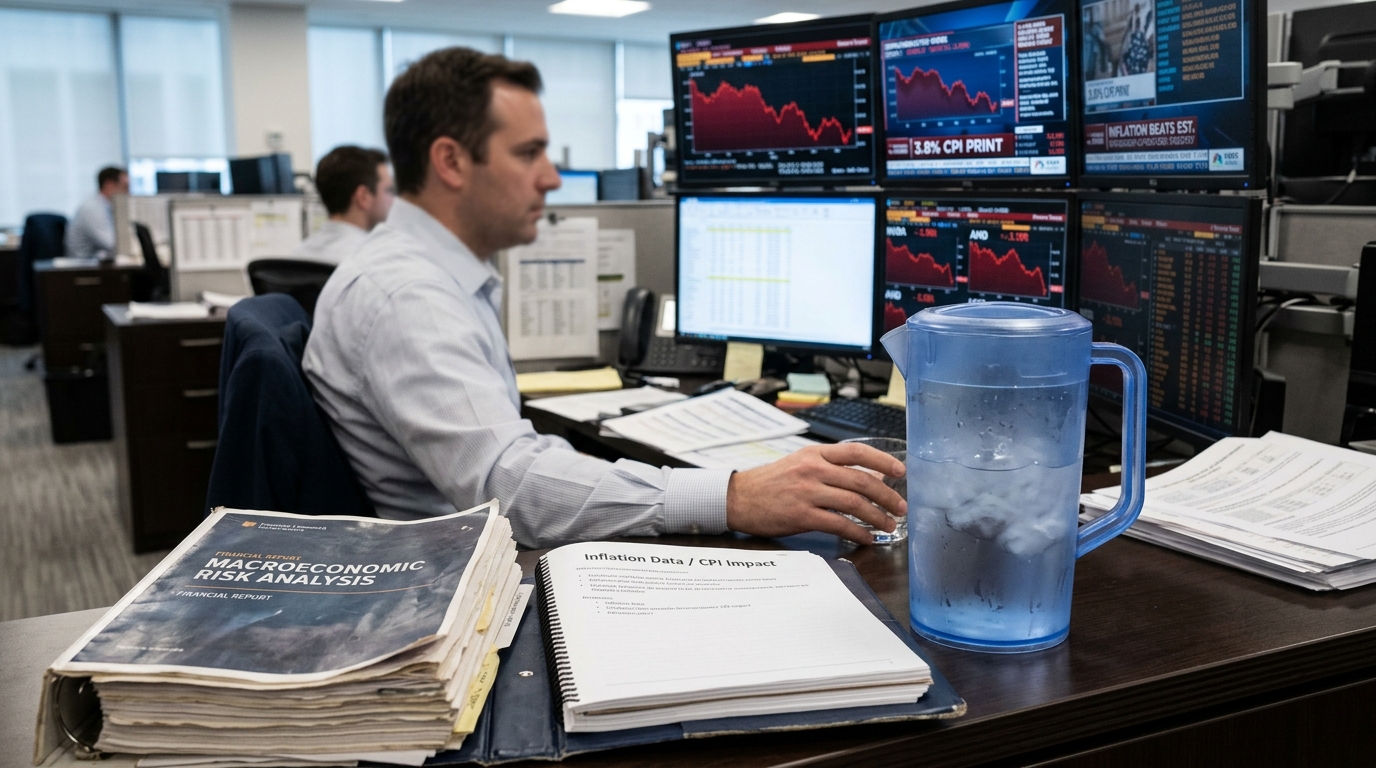
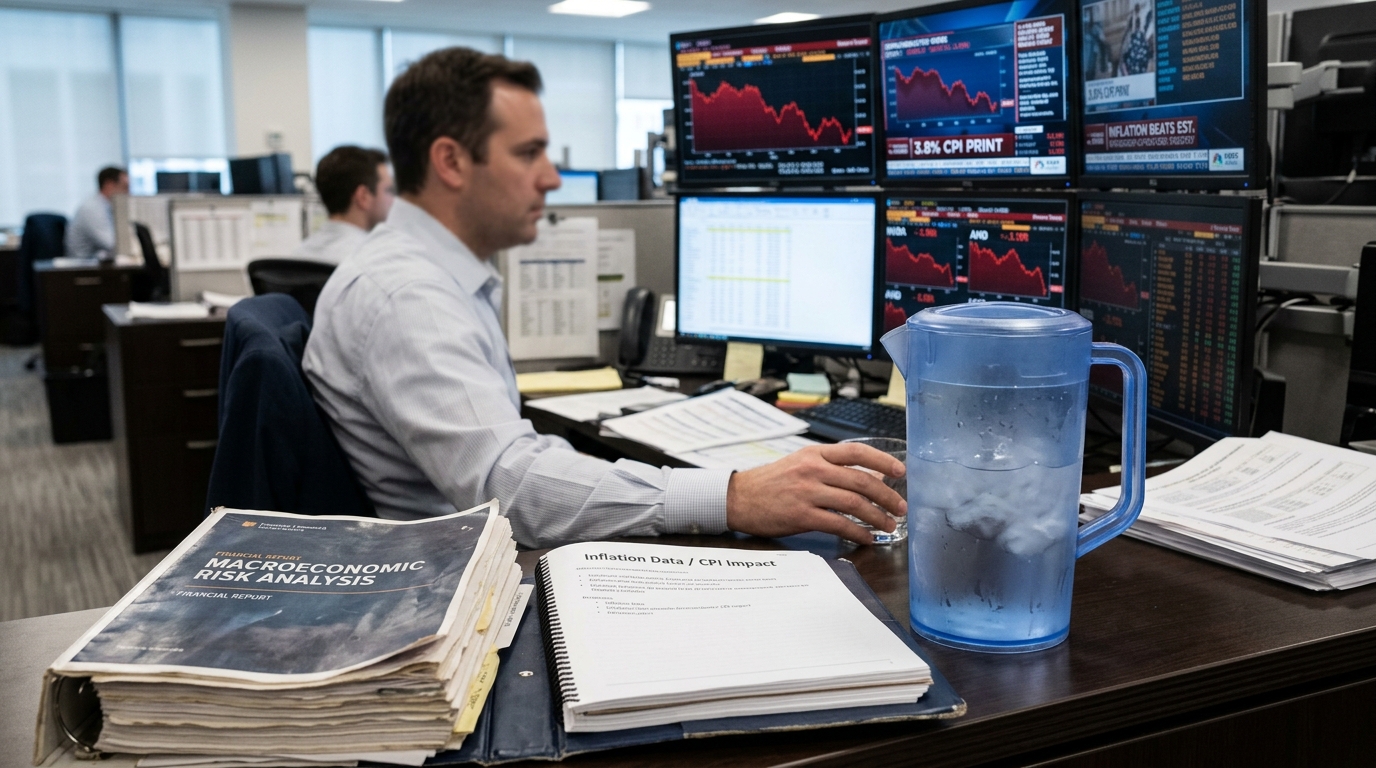
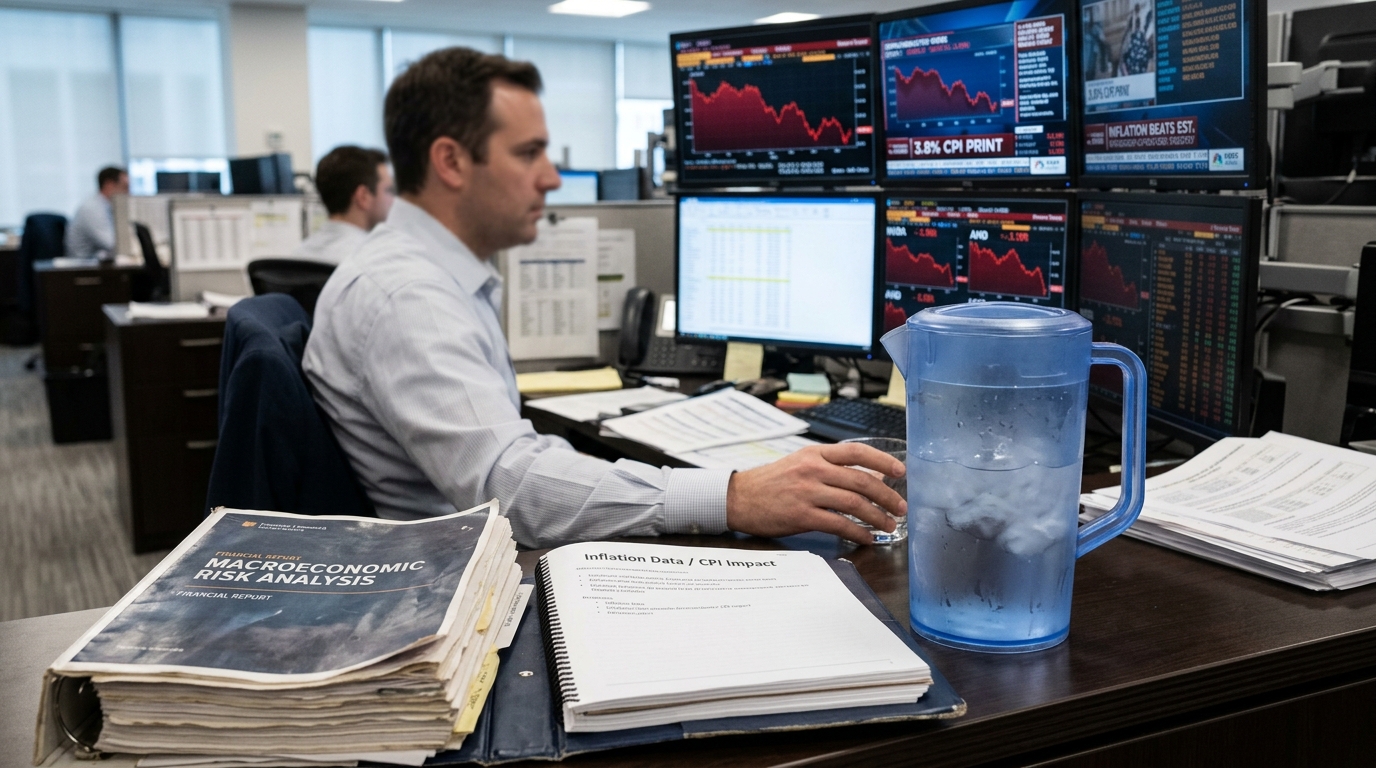
It turns out artificial intelligence can’t outrun a hot inflation report. This morning, the Bureau of Labor Statistics confirmed that April’s Consumer Price Index rose 3.8% year-over-year, the highest reading since May 2023, and the semiconductor sector reacted about as gracefully as someone slipping on ice. The iShares Semiconductor ETF sank 5% on the session. Qualcomm plummeted 13%, its worst day since 2020. Micron, which led the S&P 500 and Nasdaq Composite to record closing highs just yesterday, reversed course and fell more than 10%.
That’s not a blip. That’s the market having a moment of clarity.
Let me explain why this one stings differently.
$1 Billion Money Manager: “Trump’s About to RUIN Elon’s SpaceX IPO”
How? By releasing a radical new AI model more than 1,000X more powerful than Elon’s Grok… just in time to leapfrog Elon’s SpaceX IPO.
What’s Trump up to? And how could it send shares of one AI stock (not SpaceX) soaring?
What the numbers actually said
Headline CPI: 3.8% year-over-year. That’s up from 3.3% in March and above the Wall Street consensus of 3.7%. Month-over-month, prices rose 0.6%. Core CPI, which strips out food and energy, climbed 2.8% annually, with the monthly core reading hitting 0.4%, the highest since January 2025 and well above the 0.3% that economists had expected.
Energy is the headline driver. Energy costs jumped 17.9% annually, the steepest increase since September 2022, driven mostly by gasoline, up 28.4%, and fuel oil, up 54.3%. The figures came in above forecasts as the oil shock triggered by the war with Iran continues to push prices higher. Consumers paid a national average of $4.50 per gallon as of Tuesday, up from about $3.14 a year ago.
But here’s where it gets uncomfortable: this isn’t just an energy story. Shelter costs rose 0.6% after easing in prior months, indicating that inflation is a problem beyond the Iran war’s impacts. The tariff-sensitive apparel category increased 0.6% and airline fares accelerated 2.8%, putting the 12-month gain at 20.7%. The report also contained bad news for workers, as real average hourly wages slipped 0.5% for the month and fell 0.3% annually.
When shelter, food, and apparel are all moving in the same direction as gasoline, the Fed can’t just wait out a geopolitical event. That’s the part investors may not have fully absorbed yet.
Why chip stocks took the hit
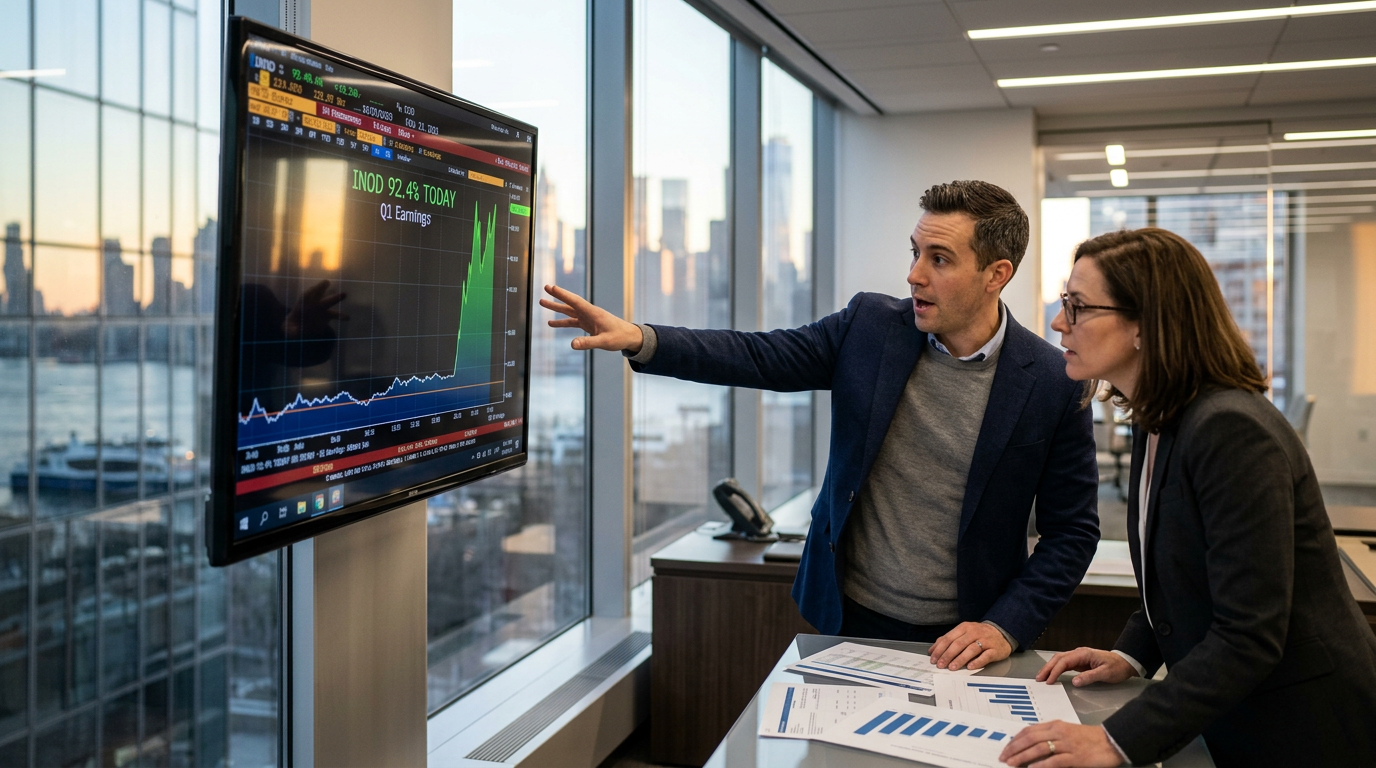
Going into today, chip stocks had been on an almost vertical run. The Philadelphia Semiconductor Index surged 65% year-to-date in 2026, with a 10% weekly gain that pushed valuations to extremes rarely seen in modern markets. Micron jumped more than 37% last week on a wave of high-bandwidth memory orders for AI applications, then tacked on another 53% in April. In the past month, AMD surged more than 74%, while Qualcomm gained more than 39%.
Slight tangent, but it matters: Wall Street had been flashing signs of a stock market melt-up, a rapid and unexpected rise in stock prices, with some strategists drawing uncomfortable parallels to the dot-com bubble of the late 1990s. Michael Burry, who famously predicted the 2008 housing collapse, has taken a public position betting against the sector, with put options on the SOXX ETF expiring in January 2027. His concern isn’t that AI is fake. It’s that the velocity of the gains has disconnected from fundamentals.
Now, the mechanics. High-growth, high-multiple stocks are essentially long-duration assets. Their value is weighted heavily toward future cash flows, earnings years or decades out. When the discount rate used to value those future earnings rises, the present value of the whole enterprise mathematically shrinks. Rising Treasury yields, which move in lockstep with inflation expectations, are the mechanism. 10-year Treasury yields moving toward the 4.6% to 4.8% range exerts even more pressure on growth stocks. Semiconductor stocks focused on AI infrastructure could face the brunt of that pressure.
The damage today was not subtle. Qualcomm plummeted 13% and headed for its worst session since 2020. Intel dropped 8%, while On Semiconductor and Skyworks Solutions declined more than 6% each. The iShares Semiconductor ETF tracking the sector sank 5%. Micron, which led the S&P 500 and Nasdaq Composite to record highs on Monday, reversed course and fell more than 10%. The stock had soared more than 37% last week and around 53% last month amid a memory chip rally. West Texas Intermediate futures jumped 3% to trade above $101 per barrel.
The SOX remains up 4% over the past five days, 29% over the past month, and 60% since the beginning of the year — so perspective matters. One bad session doesn’t erase a year. But the broader question is whether AI demand can justify these multiples in a world where capital is no longer cheap.
Legendary trader makes the boldest prediction of his 40-year career
In 2020, Larry Benedict told CNBC the market was about to fall. Few believed him. Within weeks, markets dropped 34% but his readers had the chance to make 62%.
In 2022, he predicted the worst market in a generation. He went 11-for-11. One trade returned 117% in under a month.
Now he’s speaking out again… and he says what’s coming makes both of those look like a warm-up.
Click here to hear his new prediction and get his #1 ticker free.
What the Fed looks like right now
This is genuinely uncomfortable territory for monetary policy. The Fed held its benchmark rate steady at 3.50% to 3.75% at its April 29 meeting in an unusually divisive 8-4 vote, the closest since 1992. BofA Global Research now expects the Fed to remain on hold for the rest of this year, with two quarter-point cuts in July and September 2027.
According to CME FedWatch, markets on Tuesday morning were pricing in a nearly 98% chance that the Fed will hold rates steady at its next meeting in June and through most of 2026. But the rate hike conversation is no longer theoretical. Preston Caldwell, chief US economist at Morningstar, said the odds of a rate hike in 2026, while still less than 50%, are rising.
And there’s an added wrinkle: this new inflation alarm is what incoming Fed Chair Kevin Warsh is walking into. Any assumption that AI could help push down inflation and allow the central bank to cut rates, a case Warsh made publicly last year, would be a tough argument to sell to the rest of the Fed committee right now.
Ellen Zentner, chief economic strategist for Morgan Stanley Wealth Management, noted that the increase in core CPI suggests high energy prices are making themselves felt throughout the economy. “It doesn’t mean the Fed will pivot to rate hikes, but it does reinforce the reality that new Fed leadership won’t result in an immediate dovish shift.”
That is not an environment where growth stocks get re-rated higher.
What I’m watching from here
A few things worth tracking as genuine open questions, not a checklist:
- Core PCE (late May): The Fed’s preferred inflation measure. If it confirms what CPI is showing, any remaining case for a 2026 rate cut disappears entirely.
- 10-year Treasury yield: Analysts flagged the 4.6% to 4.8% range as the zone where semiconductor valuations face real structural pressure. Watch where it settles over the next week.
- The Iran war and energy supply: Economists say the inflationary effects of the war could take weeks or months to unwind. Even if more oil tankers get through the Strait of Hormuz, it may be a while before the whole supply chain starts working again.
- Applied Materials earnings (Thursday): AMAT sells fab equipment to virtually every major chip foundry on the planet. Its results read as a leading indicator for semiconductor capital spending over the next 6 to 12 months. Worth watching closely.
- Memory chip fundamentals vs. valuations: Micron’s parabolic run was driven in part by genuine HBM memory constraints for AI workloads. That underlying demand is real. But the shortfall in some areas stems from rapid price increases in memory chips, and memory chip specialists are building capacity that should stabilize pricing and lead to much smaller revenue increases in the future. Strong fundamentals and stretched valuations are two separate conversations.
Simple Options Trading For Beginners
If you still haven’t downloaded my free “Simple Options Trading For Beginners” guide…
…please take a few seconds and download it right now before your new temporary download link expires.
I eventually plan to charge money for this training, so do yourself a favor and download it now…
That way, no matter what it costs in the future, you’ll have a free copy on your computer.
Make sense?
Here’s where I’m at: the AI buildout thesis hasn’t broken. Data center demand is real. Memory is genuinely constrained. The chips have already been ordered and are in backlog, data centers are under construction, and the numbers for the next 12 months are likely solid. The long-term case for owning the picks-and-shovels of this cycle is intact.
But “intact thesis” and “reasonable entry point” are two very different things. A 3.8% CPI reading in a world where everyone’s uncle is talking chip stocks is not the moment to add risk at any price. It’s the moment for patience, and for watching whether the next few inflation readings give the Fed any room to breathe at all.
The AI hype train isn’t derailed. It just hit a macro wall it hadn’t encountered in a while.