
Hey there, bargain hunter. easyJet just reported its worst annual result in its recent history, and the market barely flinched. That is either a sign that everyone already knew, or a sign that the wrong number is getting all the attention.
Scoreboard
Headline pre-tax profit fell 89% to £71 million from £665 million a year earlier, while fuel costs rose 11%, or £244 million, to £2.50 billion, even as revenue grew 6% to £10.74 billion. Reported pre-tax profit came in at just £24 million, after £47 million of non-headline items. Of that, £43 million was advisory and legal costs tied to the Apollo and Castlelake takeover proposals. That £71 million headline figure missed the £87.7 million analyst consensus. The board is not recommending a dividend.
What Actually Happened
The airline division swung from a £415 million profit in the previous year to a £195 million loss in 2026, reflecting sharp cost pressures and weaker second-half demand. The sharp downturn is mainly attributed to the rise in fuel prices, which added an extra £244 million to the energy bill, and to lower demand in the second half linked to the conflict in the Middle East.
The average effective jet fuel cost rose from $761 to $804 per tonne after hedging adjustments. Before the war, easyJet had hedged around 70% of its 2026 fuel needs, against about 80% at Ryanair. That gap mattered. A lot.
The Part That Still Made Money
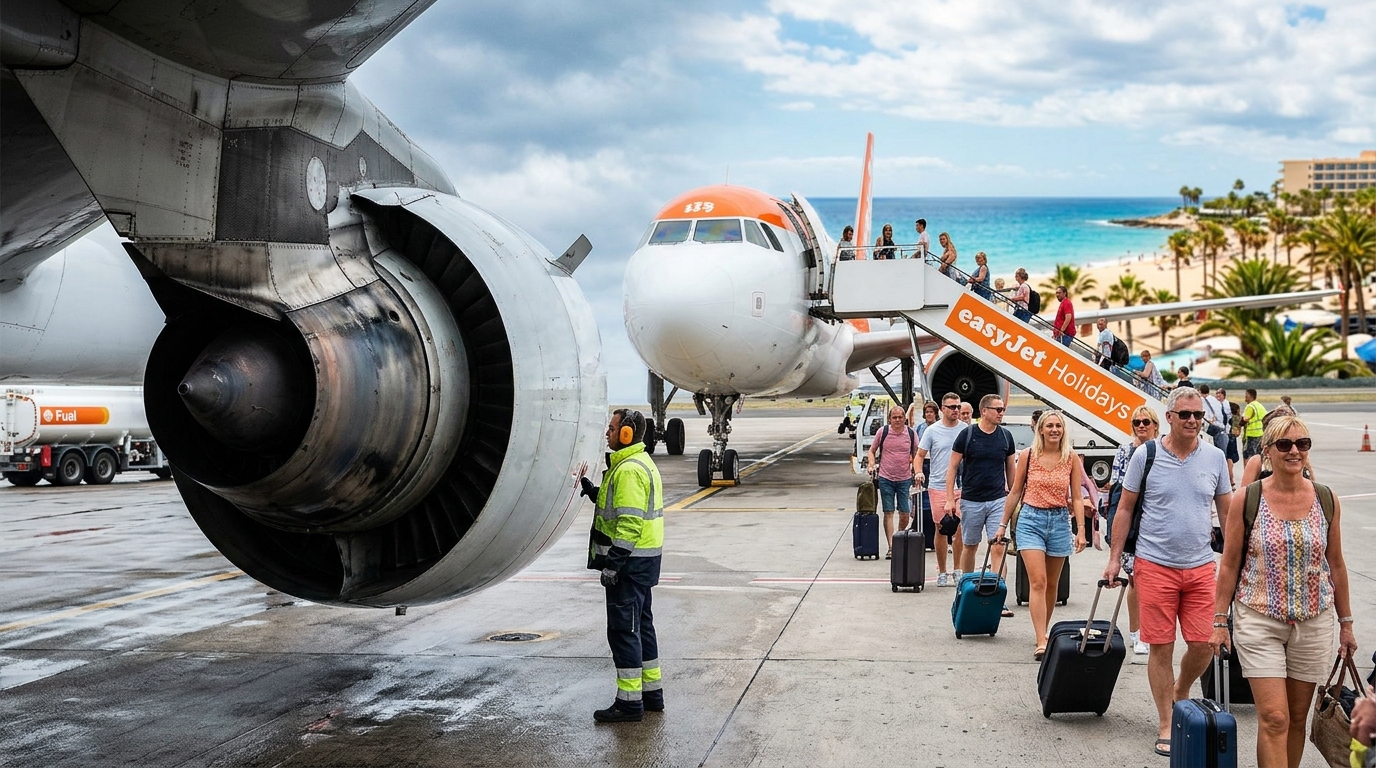
Here is the number the headlines buried. easyJet Holidays strengthened the group result by increasing its adjusted pre-tax profit to £266 million, up from £250 million. The holidays division carried about 3.5 million customers, up 13%, with headline pre-tax profit rising 6%, even as competitive pricing and higher accommodation costs weighed on margins.
So the group’s only profitable segment grew customers by double digits and still expanded earnings. That business did not break. The airline did.
The Oil Problem Just Got Worse
These results cover the year to 30 September. Since then, the fuel problem has escalated. Reuters reported Wednesday, 25 November 2026, that Brent crude rose 3.5% to settle at $94.61 a barrel after Yemen’s Houthis said they had attacked Saudi Arabia’s Ras Tanura refinery and Riyadh’s financial district. Reuters also reported that Brent rose again in early Asian trade on Thursday, 26 November 2026, after tankers reported explosions linked to mines in the Strait of Hormuz. But by Thursday morning, broader market reports had Brent closer to $91. Any forward fuel cost assumption made three months ago is already stale.
Is It Cheap? The Apollo Frame
Under the terms of the Apollo agreement, shareholders will receive 715p per share in cash, valuing the airline at approximately £5.7 billion, with the deal expected to become effective before the end of the first calendar quarter of 2027. Shareholders approved the takeover with 97.07% of scheme shares voted in favour.
The share trades near 688p, a 3.9% discount to the 715p offer. That spread is not about valuation. It is about regulatory and timing risk. Apollo explicitly cites the development of easyJet Holidays as one of the areas it intends to pursue after the acquisition. Private equity buying a package-tour business that happens to own an airline is a different story than buying a low-cost carrier.
Bull / Base / Bear
- Bull: Apollo closes on schedule in Q1 2027 at 715p. Holidays compounds at 10% annually under new capital. Fuel hedges protect FY27.
- Base: Deal closes slightly delayed. Holidays holds £266m+ profit. Airline returns to modest profit if Brent retreats below $85.
- Bear: Regulatory snag delays or kills the deal. Brent sustains above $95 through summer 2027. Airline loses another £150m-plus. Holidays margin erodes under accommodation cost inflation.
Cheap Investor Checklist
- Apollo deal regulatory clearance: watch for EU and UK aviation authority sign-off
- Brent crude trajectory: if Brent holds near the mid-$90s again, that is above the levels implied by many older hedge assumptions
- easyJet Holidays profit in H1 FY27: should exceed £50m even in a soft winter
- Net cash: £268 million net cash and £4.4 billion liquidity as of year-end
- Hedge cover for FY27: management has not disclosed the full position; this is the number to demand
Bottom Line
If the Apollo deal closes at 715p, today’s buyer earns roughly 4% in under four months with a hard catalyst. That is a spread trade, not a value call. The genuine value question is what the holidays arm is worth on a standalone basis: £266 million of profit in a growing, asset-light package business is not nothing, and it is currently priced inside a burning airline balance sheet. If you believe oil stays above $90 and the deal slips, that £266 million will not save the thesis. If Brent pulls back and the deal closes, the market will have handed you a tidy exit. Know which bet you are actually making before you buy the ticket.