
October 16, 2026
Bonus Content: AT&T Put $10 Billion Into Mexico and Got $2 Billion Back
Dear Reader,
Three days into his second term, President Trump signed Executive Order 14178.
The press barely noticed.
But buried inside was the legal green light for the boldest change to American money in over 100 years. And it’s finally about to take effect.
I’ve spent months digging into what this order actually means.
What I found could send shockwaves through the financial system:
Musk – with the quiet cooperation of the U.S. Treasury – is now positioned to “reboot” the dollar itself.
Not someday. Potentially as soon as January 18. And it could all come down to one vote – led by Trump’s own Treasury Secretary.
When it happens, life as we know it could change… and investors who saw it coming could make a fortune.
Regards,

Ian King
Chief Strategist, Strategic Fortunes
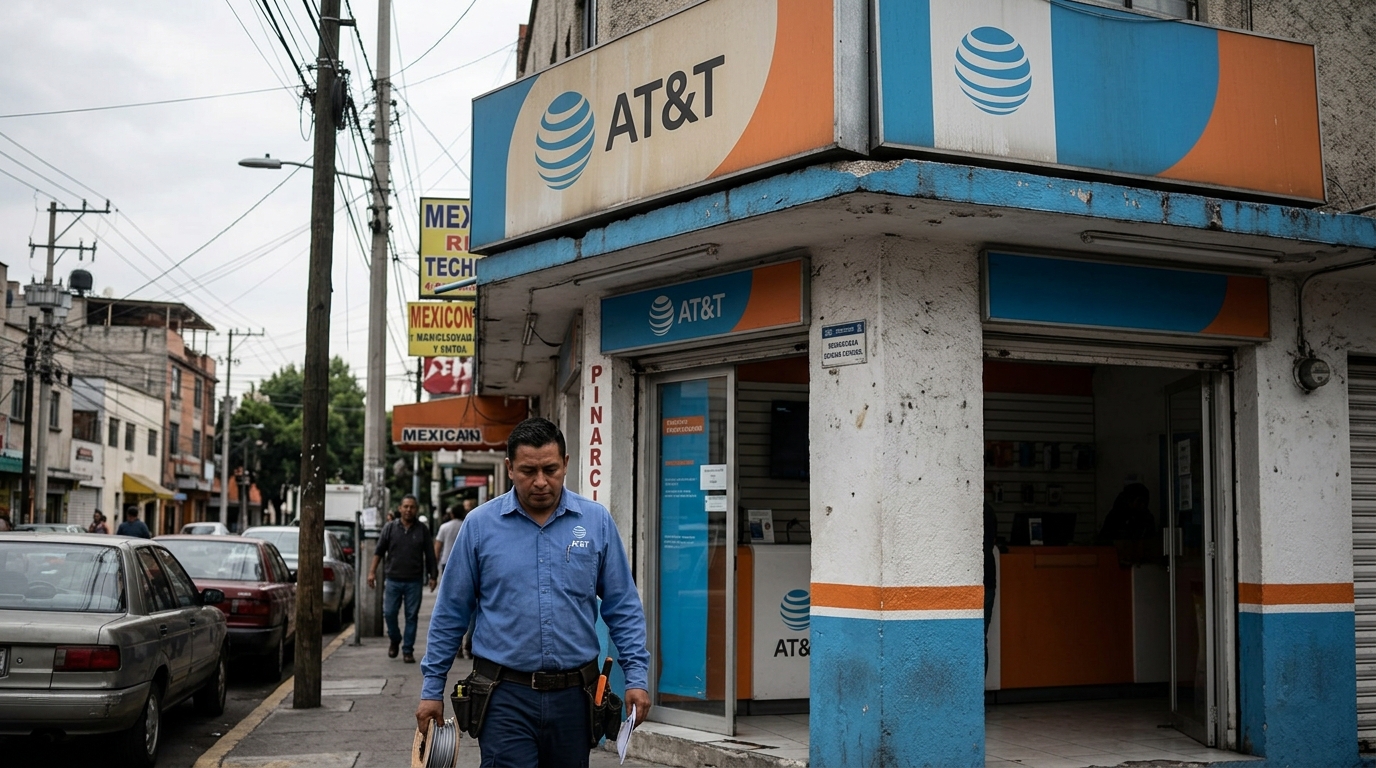
AT&T Put $10 Billion Into Mexico and Got $2 Billion Back
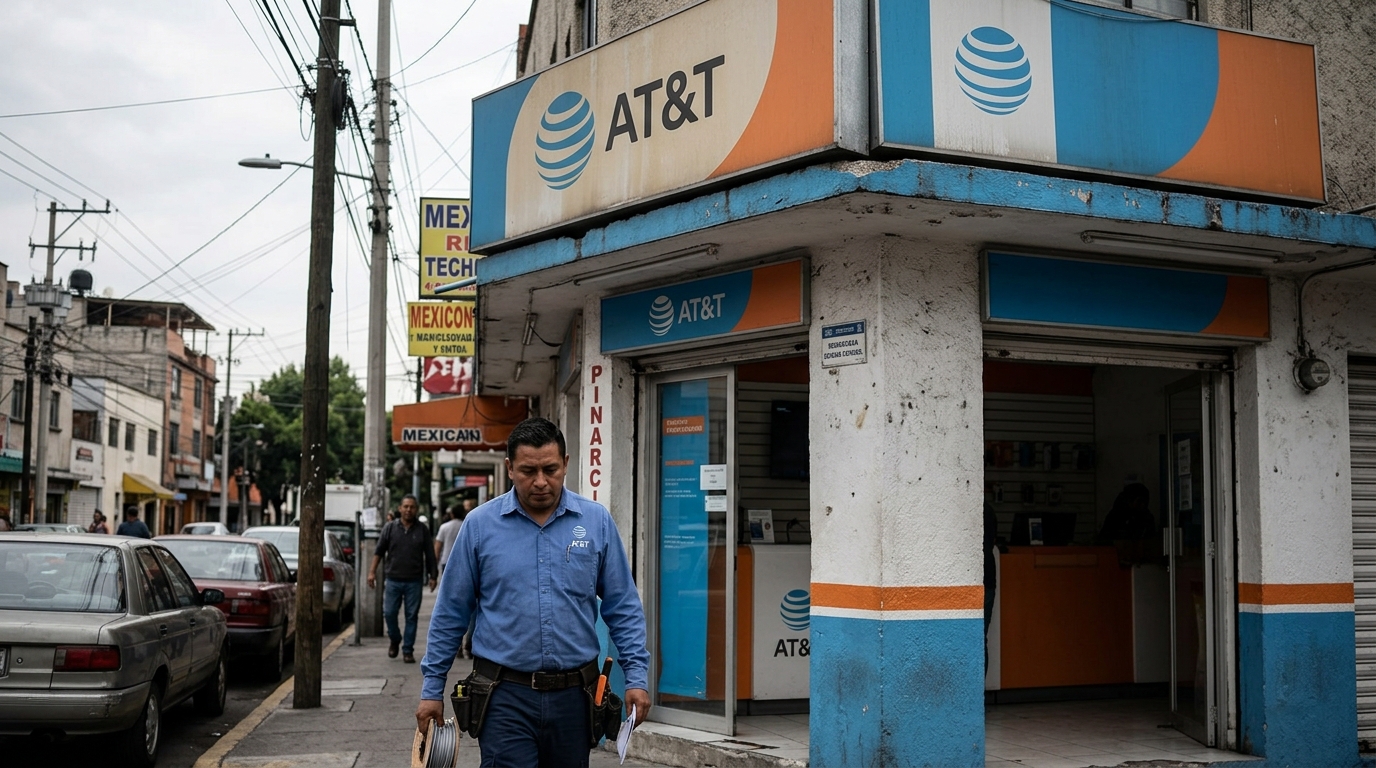
Hey there, bargain hunter. AT&T just handed you a $8 billion lesson in why cheap stocks sometimes deserve to be cheap.
Scoreboard
AT&T agreed to sell its Mexican wireless operations to Grupo Televisa and Fintech Holdings in a deal valued at $2 billion in cash at closing, plus additional contractual and contingent benefits. The sale is expected to close in the first quarter of 2027, subject to customary closing conditions, including regulatory approvals in Mexico.
What Actually Happened
AT&T originally entered Mexico in 2014 and 2015 by acquiring Iusacell and Nextel Mexico for a combined $4.4 billion, lured by sweeping regulatory reforms intended to curb monopolistic behavior in the domestic telecom market. The company then invested about $3 billion through 2018 to expand its high-speed mobile broadband coverage to 100 million people. AT&T has said it invested more than $10 billion in Mexico, making the $2 billion sale price strikingly low compared with its cumulative historical investment.
That is not a pivot. That is an $8 billion write-down dressed up in press release language about convergence and fiber.
AT&T Mexico had approximately 24.7 million subscribers as of December 31, 2025. In 2025, the unit booked consolidated revenue of 85.4 billion pesos and operating income of about 1.4 billion pesos. Paying $2 billion for a business generating roughly 1.4 billion pesos in operating income is not a disaster for the buyers. Receiving $2 billion for a business you spent $10 billion building absolutely is.
Deep Dive: What AT&T Actually Does
AT&T is America’s largest fiber internet provider and its third-largest wireless carrier. The company’s long-term strategy centers on building converged fiber and 5G networks in the United States. A key accelerator was the $5.75 billion acquisition of Lumen’s Mass Markets fiber business, which added more than 4 million fiber locations to AT&T’s footprint. The idea is to bundle mobile and home broadband, raise switching costs, and harvest the kind of sticky monthly revenue that makes a telecom worth owning.
The fiber-convergence playbook is not unique to AT&T. BT’s acquisition of 2.5 million broadband customers out of TalkTalk’s administration shows how differently the same strategy prices across markets.
Data That Matters
- Net debt (Q2 2026): $126.4 billion as of the end of the second quarter, with total debt at $144.0 billion.
- Leverage: Net debt-to-adjusted EBITDA at 2.68x.
- Free cash flow (Q2 2026): $4.7 billion.
- Capital spending (full year): Full-year capital investment guidance of $23 billion to $24 billion, with 2026 positioned as AT&T’s largest-ever fiber expansion year.
- Fiber target: Over 36 million total fiber locations reached, with the company on track for over 40 million by end of 2026 and more than 60 million by 2030.
- Adjusted EPS guidance: $2.25 to $2.35 for 2026, with a double-digit three-year CAGR targeted through 2028.
The $2 billion from Mexico lands against $126 billion in net debt. It moves the needle by roughly 1.6%. Management will call it meaningful. It is better than nothing.
Is It Cheap?
AT&T’s operating margin was 20.12% in Q2 2026, with a dividend yield around 5.43%. Forward P/E depends on the data source and the day you check, but it has generally been cited in the high single digits to low double digits in October 2026.
That yield is real. The discount is real. The question is whether it is cheap because the market is wrong, or cheap because management keeps buying high and selling low. Mexico is the latest data point in a long pattern: DirecTV, Warner Media, now this. AT&T also got rattled last week when reports said SpaceX struck a deal to buy a nationwide low-band spectrum portfolio in the 800 MHz band, sending AT&T down about 9.8% on October 9, 2026.
Bull / Base / Bear
Bull: Mexico proceeds reduce a debt load that was already trending down. Fiber convergence lifts ARPU, churn falls, and the market re-rates the stock closer to its sector peers. A move from 9x to 11x forward earnings adds roughly 20% to the share price before you count the dividend.
Base: $2 billion helps marginally. Fiber buildout absorbs it within a quarter of capex. Leverage stays sticky near 2.7x, and the stock drifts sideways while paying you 5% annually to wait.
Bear: SpaceX’s spectrum buy is not a PR stunt. Capital allocation keeps disappointing. Debt remains a ceiling on the multiple, and the next strategic exit comes at a discount again.
Debt at 2.68x EBITDA is manageable only if the cost of carrying it stays contained. The 30-year Treasury climbing to levels not seen since 2007 is the rate environment AT&T’s refinancing schedule has to navigate.
Action Plan
At a forward P/E of roughly 9x and a 5% dividend yield, the stock is not expensive. But before adding, watch two things: how management describes the Mexico proceeds on the Q3 call, and whether net debt-to-EBITDA guidance for year-end moves toward or away from the stated 2.5x target. Scale in slowly. Do not chase it on the Mexico headline alone. The history of capital allocation here earns caution, not conviction.
Cheap Investor Scorecard
- Net debt-to-EBITDA moving toward 2.5x target? Watch Q3 and Q4 results.
- Mexico proceeds actually applied to debt reduction, not redeployed into another acquisition?
- Fiber locations on track for 40 million by year-end 2026?
- Free cash flow holding above $4.5 billion per quarter?
- Postpaid phone churn staying below 0.90%?
- SpaceX spectrum deal translating into real subscriber losses, or just noise?
- Q3 adjusted EPS within the $2.25-$2.35 full-year guidance band?
Bottom Line
If AT&T uses the $2 billion to chip away at debt and delivers free cash flow above $18 billion for 2026, the stock at 9x earnings is genuinely undervalued. If Mexico turns out to be the start of more forced selling at distressed prices, the discount is telling you something management is not. Track the debt trajectory first. The dividend pays you to be patient while you find out which story is true.