October 15, 2026
Bonus Content: Southern Company Is Spending $81 Billion on the Grid. Zero-Loss Wire Could Change What That Buys.
Dear Subscriber,
In 1990, the Brazilian government froze the bank accounts of thousands of citizens.
In 2013, the victims were the people of Cyprus.
In 2022, it hit closer to home – in Canada. The government used its 1988 Emergency Act to freeze the bank accounts of hundreds of striking truckers.
Think nothing like this could happen in the United States? If so, think again.
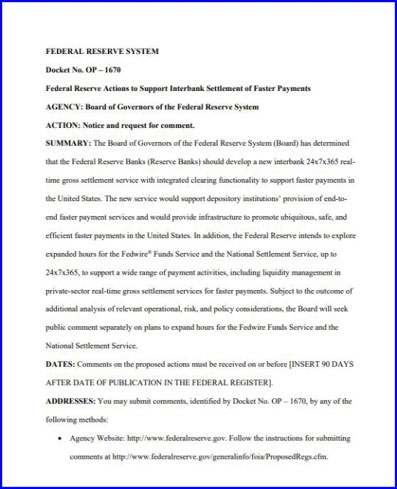
The Federal Reserve System Docket No. OP-1670, reveals the plan.
See the front page right here
It gives the Fed the power to track and potentially even control your checking account.
Not just the money you have in your account at the moment …
But also, every single check, withdrawal, deposit, and transaction.
Practically everything you do with your money!
You can find out the eerie details by clicking here.
Be sure to do so with urgency.
A pilot program is already underway.
The next step is to roll it out to nearly every bank in America.
Click here to learn how to protect your money.
Good luck and God bless!

Martin D. Weiss, PhD
Weiss Ratings Founder
P.S. This is not about a digital currency. It’s very different. Find out exactly what it is here.
Southern Company Is Spending $81 Billion on the Grid. Zero-Loss Wire Could Change What That Buys.
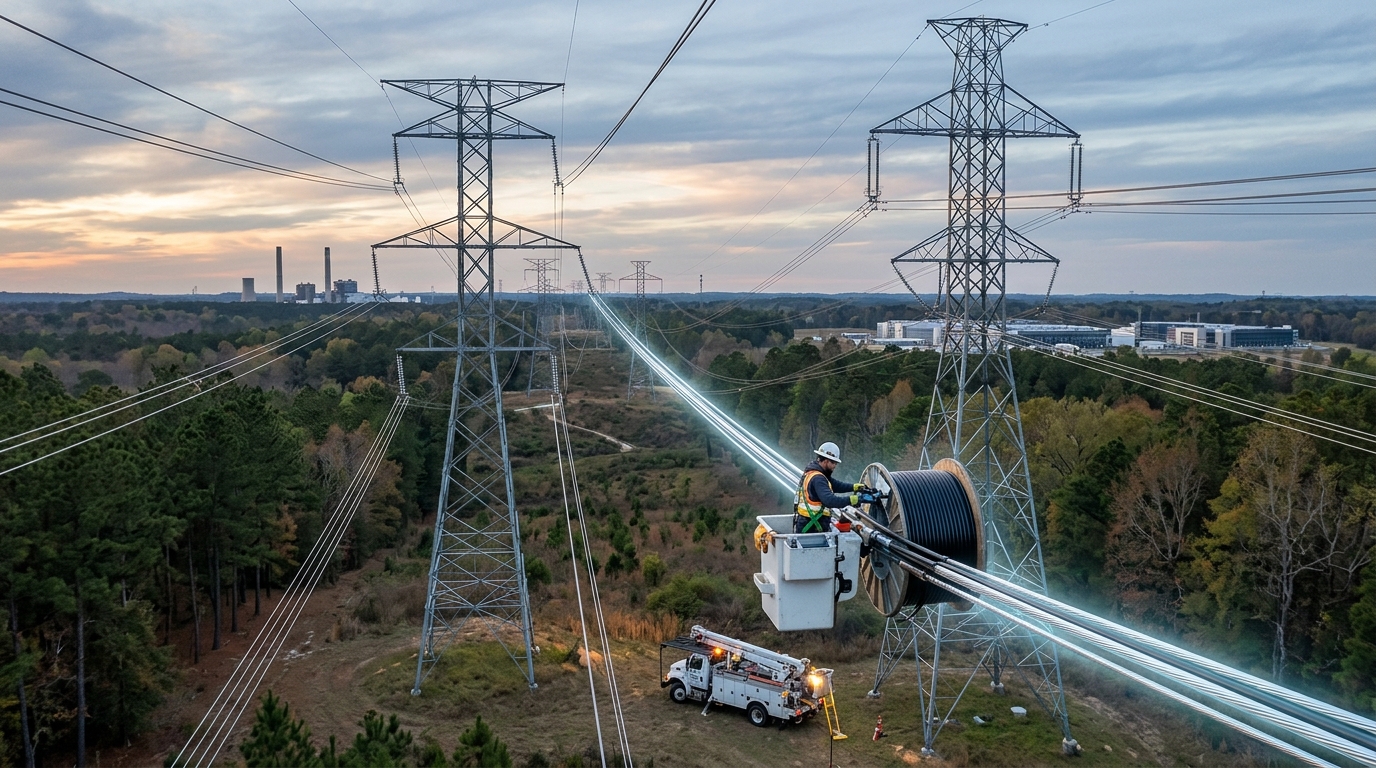
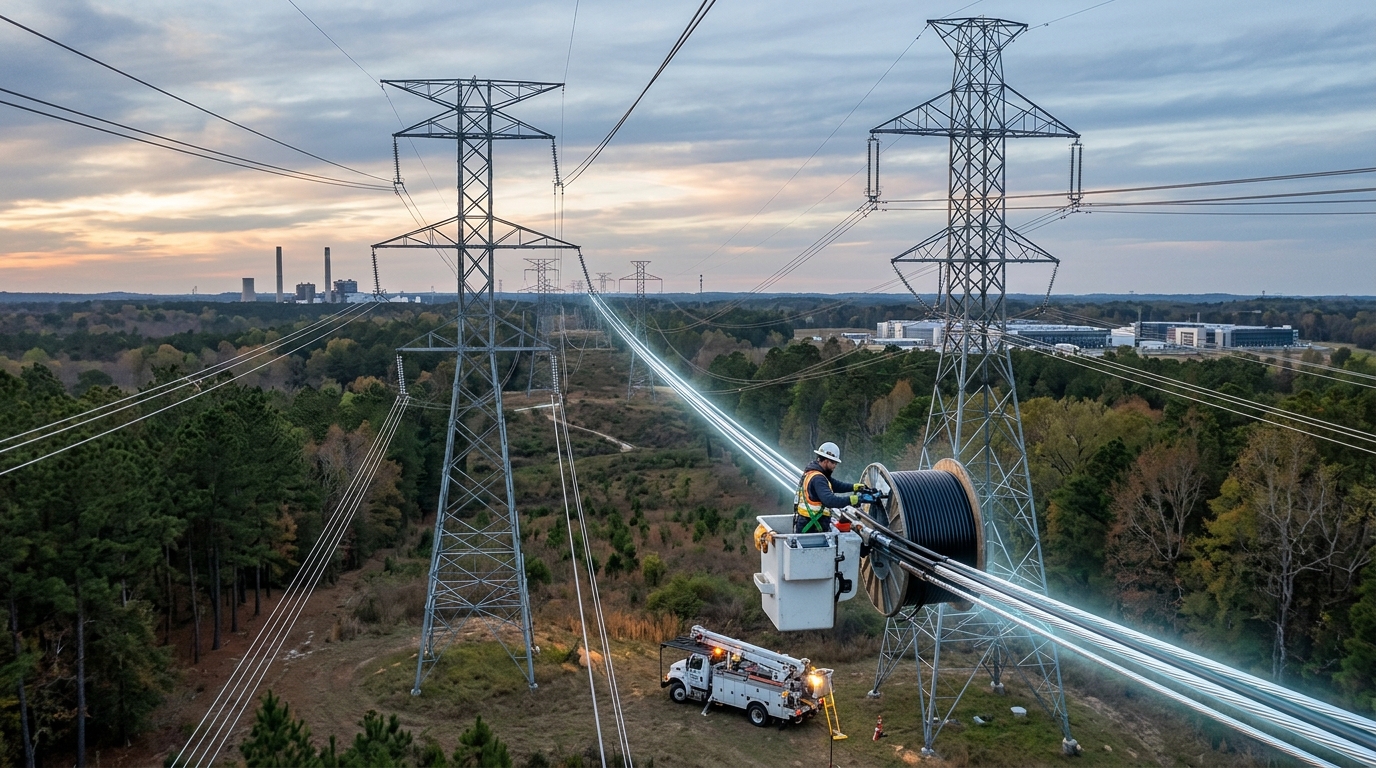
Hey there, bargain hunter. Southern Company just secured a $26.5 billion DOE loan package for Alabama Power and Georgia Power, on top of an $81 billion five-year capital plan. The company is building approximately 750 miles of new transmission and 1,350 miles of upgrades, reconductors and rebuilds, and upgrading generation to serve a data-center pipeline that now exceeds 75 gigawatts. That is a staggering build-out, and nearly all of it will be copper.
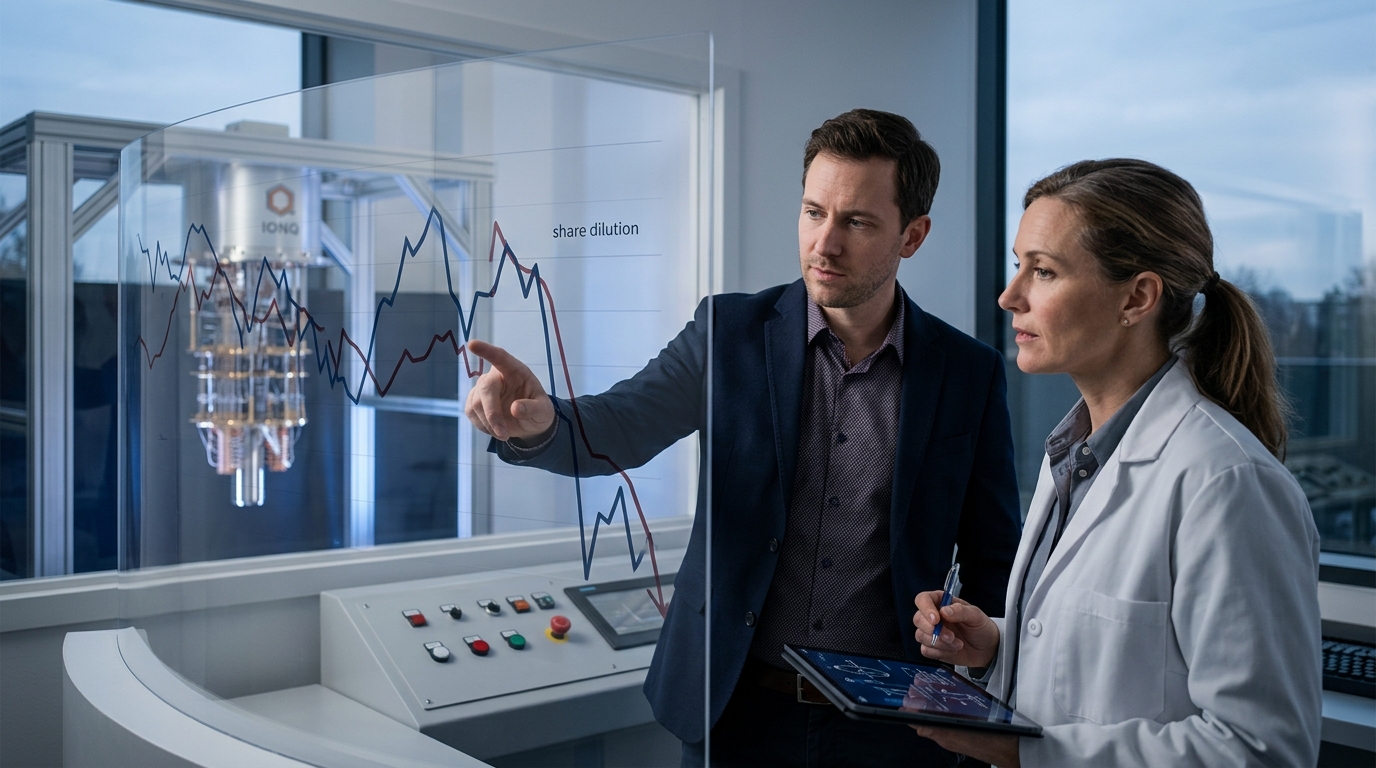
Here is what the market is not pricing: the technology that could make a large portion of that copper obsolete before SO finishes paying for it.
Scoreboard
- SO 5-year capex plan: $81 billion, ~95% in regulated utilities
- DOE loans closed: $26.5 billion in February 2026
- Analyst price target: $97, implying 4.5–14% upside at current levels
- 2026 full-year EPS guidance: $4.50–$4.60, guided near the top of that range
The Real Reason This Matters
Conventional copper and aluminum transmission lines lose roughly 5% of power in aggregate across transmission and distribution in the US in recent years. For a utility serving data-center loads that will demand gigawatts around the clock, that leakage compounds fast. High-temperature superconducting cables carry current at near-zero resistive loss and can push five to ten times more power flow than conventional lines in certain configurations. The pitch is simple: more power in a tighter corridor, including underground, without having to win as many new rights-of-way.
Transmission efficiency is only one pressure point on utilities serving round-the-clock data-center loads. The generation side faces its own supply constraints, as uranium enrichment capacity and advanced fuel availability remain tight relative to rising demand.
In March 2026, University of Houston researchers broke a 30-year superconductivity record, achieving a superconducting transition at 151 Kelvin under ambient pressure. That is still cold, but the engineering gap between lab and substation is narrowing faster than SO’s planning cycles can accommodate.
The One Publicly Traded US Name in the Fight
American Superconductor (AMSC) describes itself as a leading provider of power control solutions, and it is also a long-time HTS wire player. Its financials are finally catching up to that identity. Full-year fiscal 2025 revenue grew 34% to $299 million, backlog expanded nearly 40% to $280 million, and Q1 fiscal 2026 revenue hit $94 million, another 30% year-over-year jump. In July 2026, AMSC landed a $25 million turnkey mining-related power project order. The stock trades at roughly $27, giving it about a $1.4 billion market cap against trailing revenue now approaching $321 million.
The bears have a point: most of AMSC’s current revenue comes from conventional grid power-quality equipment, STATCOM systems, and wind-turbine controls, not superconducting wire itself. Analyst price targets cluster in the $54–$71 range, but Q2 EPS guidance came in below consensus. That gap is the tension.
Is It Cheap?
AMSC trades at roughly 4x trailing revenue and under 10x trailing earnings, not an obvious bargain for a small-cap growing 30% organically. The HTS optionality is real but unpriced by the business model today. SO, meanwhile, trades at a premium utility multiple with a 25-year dividend increase streak. Its capex is locked into conventional infrastructure for years. If HTS cables reach cost-competitiveness at scale, SO’s transmission cost assumptions could get revised upward at exactly the wrong moment.
The demand side of this equation is not slowing down. Microsoft’s plan to scale its data-center network to 38 gigawatts shows how much power the hyperscalers intend to consume.
Bull / Base / Bear
- Bull: SO’s data-center load growth justifies the capex regardless of technology shifts. AMSC wins HTS supply contracts as utilities modernize.
- Base: HTS adoption stays slow. SO earns its regulated return. AMSC grows 20%+ on conventional grid products.
- Bear: HTS costs fall faster than SO’s recovery timeline allows. Stranded-asset risk enters the rate-case conversation.
Cheap Investor Checklist
- Track AMSC backlog quarterly: a sustained move above $350 million signals HTS demand inflection
- Watch SO’s November 5 earnings for any HTS pilot language
- Monitor HTS tape cost per meter: commercial viability accelerates below $10/meter at scale
- Note any DOE grant awards specifically for superconducting urban grid projects
- Check whether SO’s data-center contracts include power-delivery efficiency guarantees that could pull forward HTS adoption
Bottom Line
If SO’s $81 billion capital plan is the patient, HTS cables are the technology arriving late to the operating table. The utility’s regulated model protects it from disruption in the short run. But bargain hunter, the more interesting position is the company supplying the wire that makes copper grids look wasteful. AMSC growing revenue 30% at a $1.4 billion cap is not free, but it is priced like a grid-equipment vendor. If the superconductor thesis lands, that is not what it is.