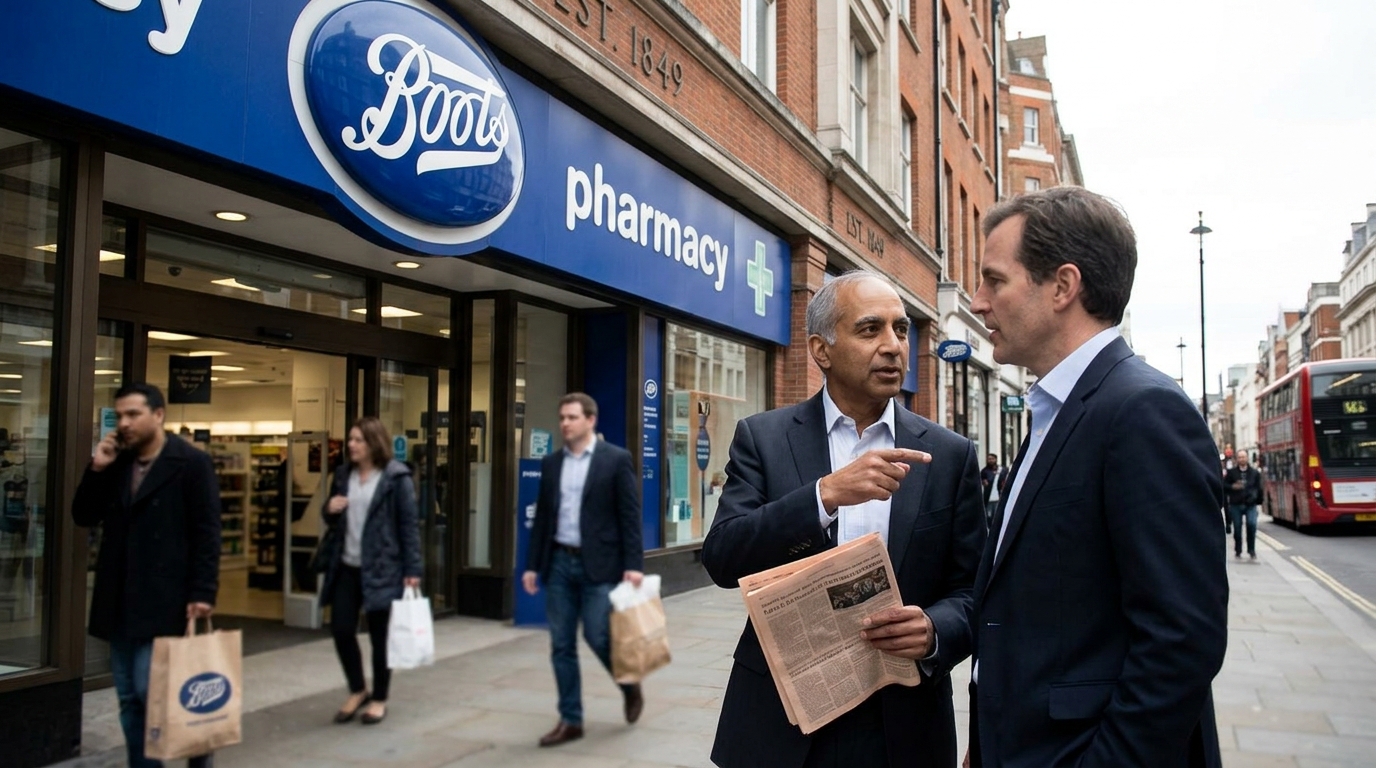
On Wednesday, October 7, the Weston family’s holding company, Wittington Investments, agreed to buy Boots from The Boots Group, which is majority owned by Sycamore Partners, for about $8.9 billion, including assumed debt. Toronto-based Fairfax Financial, led by value investor Prem Watsa, is backing Wittington’s investment and expects to own 50% of Boots’ equity after closing, with Wittington retaining operational control. Galen Weston will become chair of Boots upon closing, expected in the first quarter of 2027, subject to regulatory approvals and customary closing conditions.
Public investors won’t get a piece of this. The deal brings to an end months of speculation over whether Boots could make a return to London’s public market. That IPO window is now closed, and what replaces it is a private ownership structure built to last decades, not quarters.
The Asset They’re Buying
Boots operates more than 1,800 stores and employs over 51,000 people across its business in the UK and Ireland, and Wittington said it intends to invest in Boots and expand healthcare services. The $8.9 billion sale includes the company’s retail operations in the UK and Ireland, the Boots Opticians business, the No7 Beauty Company, and Boots’ Thailand and franchised businesses.
The financials back the enthusiasm. Boots’ UK business reported a 3.2% rise in revenue to £7.5 billion and a 25% increase in pre-tax profit to £337 million for the year ended August 31, 2025, helped by strength in beauty and demand for weight-loss treatments. That is not a distressed asset. That is a compounding business bought by owners who intend to hold it.
The Pattern Patient Capital Keeps Repeating
The Weston family knows this playbook. The Weston group owns Canadian grocer Loblaw and Shoppers Drug Mart, Canada’s largest pharmacy, health and beauty business, and owned London department store Selfridges from 2003 to 2021. They bought iconic retail institutions, operated them with discipline, and sold or kept them on their own timeline. Now they are doing it again.
Sycamore Partners acquired Walgreens Boots Alliance on August 28, 2025, and is now agreeing to sell Boots about 14 months later. Private equity is moving on. A family holding company is stepping in for the long run. The contrast is not subtle.
Fairfax brings the same orientation. Prem Watsa has spent four decades building Fairfax into a multibillion-dollar enterprise by acting as a long-term owner of businesses, not a trader of them.
What This Means for Your Portfolio
You cannot buy Boots. But the deal tells you something actionable about where durable wealth actually accumulates.
The companies that patient private owners target share consistent traits: strong brand recognition, pricing power, defensible market positions, and cash flows that compound reliably without needing a bull market to look good. Wittington’s plans for Boots include investing in stores and online and expanding healthcare services, the kind of reinvestment cycle that lifts value over five to ten years, not five to ten months.
For public market investors, the practical translation is straightforward. Favor businesses with those same characteristics: durable consumer franchises, pharmacy and health-services exposure, and management teams that think in decades. Those are secular trends accessible in public markets too, even if this particular asset is not.
The Wealth Builder Takeaway
The best assets in any economy tend to disappear into private hands before most investors get a look. The Weston and Fairfax move on Boots is a reminder that wealth built over generations comes from owning quality businesses long enough for the compounding to matter. You do not need to own Boots to apply that lesson. You need to own something with the same underlying logic and hold it with the same patience.