
July 27, 2026
A Cheaper AI Infrastructure Bet
Featured: A Cheaper AI Infrastructure Bet
First a message from Weiss Ratings
Dear Reader,
Starting as soon as a few months from now, the United States government will make a sweeping change to bank accounts nationwide.
It will give them unprecedented powers to control your bank account.
They could closely track every transaction.
They could even freeze it.
Unless you protect yourself today. Fortunately, there are 4 simple steps you can take to safeguard your savings.
Discover these 4 simple steps here.
Good luck and God bless!

Martin Weiss
Dr. Martin D. Weiss, Founder
A Cheaper AI Infrastructure Bet
Hey there, bargain hunter.
Why do markets misprice quality businesses? Because they tend to overpay for stories that feel clean, and underpay for the boring plumbing that makes the story possible.
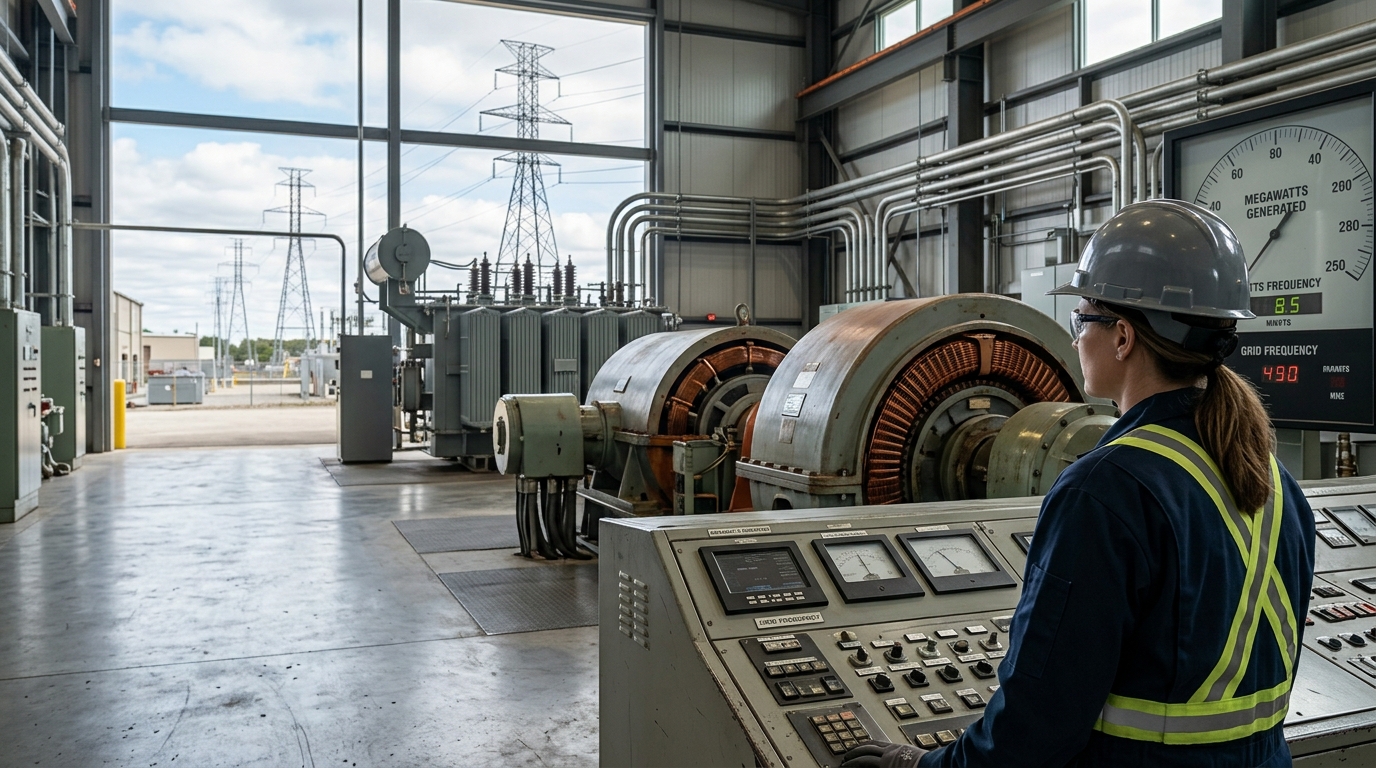
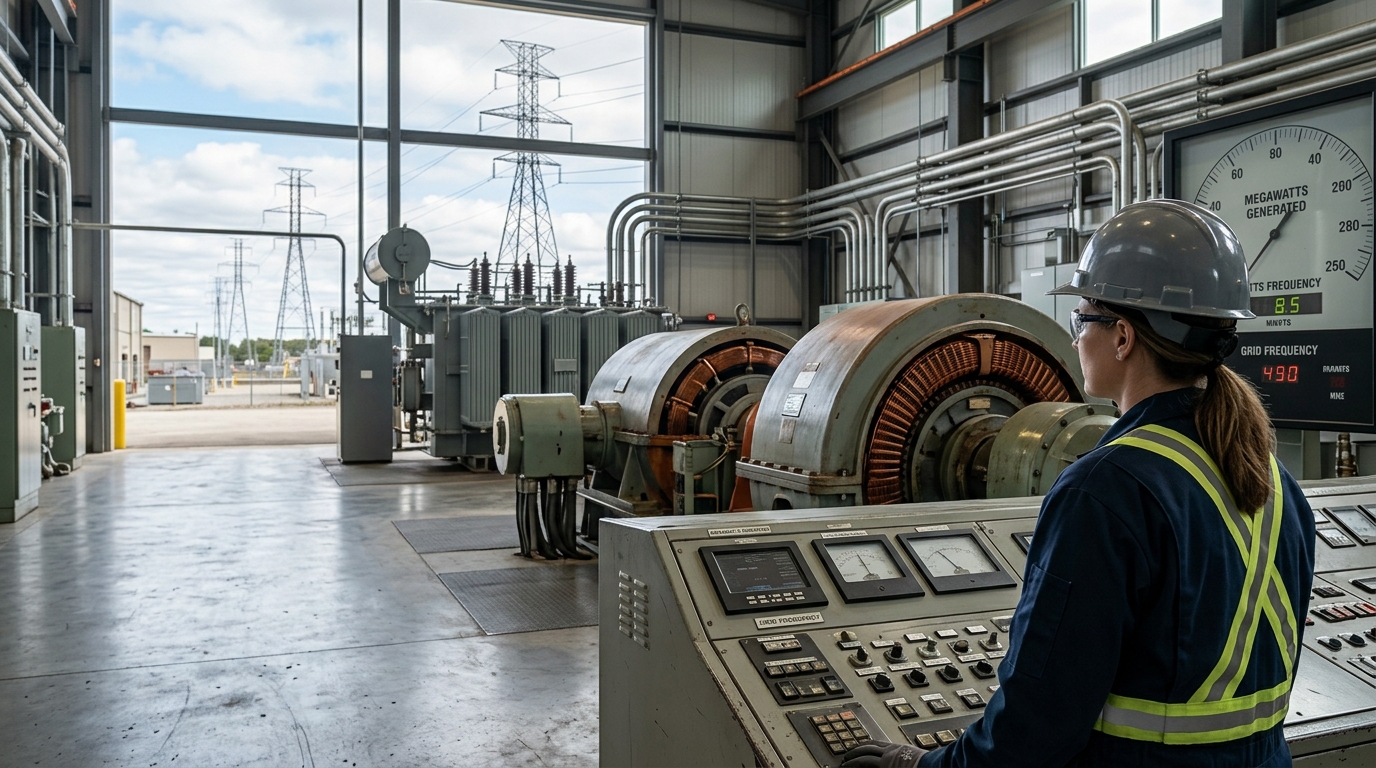
Right now, the “boring” part of AI is not software. It’s power delivery and uptime. The market knows this in a hand-wavy way, but it still tends to treat many industrial beneficiaries like normal cyclicals.
What changed, and why these stocks look discounted
The fear that keeps showing up in industrials is the usual one: “What happens when the economy slows?” That fear pulls down a lot of good operators together, even when parts of their demand are being driven by something less tied to GDP.
At the same time, the AI boom has created a weird psychological effect. Investors gravitate to the obvious winners, and quietly assume the industrial layer is already fully understood. In my experience, that’s exactly when you find mispricings.
The Cheap Test, in plain English
I’m not hunting for the lowest multiple. I’m hunting for the highest confidence cash flows that the market is still debating.
So here’s the lens: if data centers are becoming one of the biggest new sources of electricity demand, then the value should accrue to the companies that get projects connected and keep them running. Not once. Every day.
Company 1: Eaton (ETN)
Business quality: Eaton is the kind of business that would still look attractive even if you never saw the stock quote. It sells mission-critical electrical gear and systems where customers care about reliability, compliance, and delivery time. That’s not a fad.
Why the market discounts it: it still gets bucketed as “industrial plus electrification,” which can be treated as cyclical. But management has been pointing to a demand pocket that is behaving more like an infrastructure build than a normal cycle.
Evidence that matters: Eaton reported record Q1 2026 results and raised 2026 organic growth guidance to 10% at the midpoint (from 8%). In its Q1 2026 analyst presentation, it also highlighted Electrical Americas data center orders up about 240% in the quarter.
That kind of order growth is not a guarantee of future returns. But it does tell you something important: the demand is tangible, and it is showing up in the part of the business tied to getting power to the load.
Elon Musk: Buy Alert
The world’s richest man just launched a new $480 trillion disruption, which could make you massive gains this summer. It has nothing to do with space, robots or AI. It’s much, much bigger.
Company 2: Rockwell Automation (ROK)
Business quality: Rockwell is a core automation platform in factories and critical operations. It tends to live inside customers’ workflows, and that usually creates switching friction. Not always perfect, but it’s real.
Why the market discounts it: automation spend can pause when customers get cautious. That’s the near-term hangover investors worry about. Fair concern.
What the market may be underweighting: “uptime” spending is changing shape. Rockwell expanded its SecureOT offerings in June 2026, adding enhanced cybersecurity assessment and managed service capabilities. That matters because security and remote access are creeping toward “must have” status as operations get more connected.
If you buy the idea that downtime risk scales with complexity, then parts of ROK’s offering can behave less like classic project capex and more like durability spend. Not immune to cycles, just less fragile than people assume.
The mispricing test: cheap vs broken
This is the part readers skip, so let’s slow down.
What would make these value traps?
- Power constraints drag projects out so long that orders don’t convert to revenue on a reasonable timeline.
- Supply chain limits, labor, or component bottlenecks keep margins under pressure longer than expected.
- For ROK specifically, customers decide they can “good enough” their way through automation upgrades and stretch replacement cycles.
What makes them look more cheap than broken? Both businesses sit in categories where reliability is not optional. And the data center electricity demand trajectory is not a one-quarter phenomenon. Public estimates from Lawrence Berkeley National Laboratory put U.S. data center electricity use at 58 TWh in 2014 and 176 TWh in 2023, with a wide range of 2028 estimates (325 to 580 TWh). Even if the low end wins, the direction is still up.
So what’s the disconnect?
The market debate is timing. Investors are trying to decide whether this is a straight-line boom, or a stop-and-go build with delays and bursts.
The disconnect is that even a stop-and-go build still tends to reward the companies attached to the constraint. If you are the vendor helping customers connect, protect, and monitor, you can still compound through lumpier quarters.
Cheap Investor scorecard
- Business quality: Strong for both (mission-critical products and workflows).
- Financial strength: Needs quarterly monitoring, but both are established operators with scale.
- Valuation: I’m not giving a single “magic multiple” today. The better test is relative: are you paying for a normal industrial cycle, or for an infrastructure constraint with longer duration?
- Catalyst strength: Medium. This is more “compounding plus execution” than a quick unlock.
- Margin of safety: Higher if you size it like a long-term holding and accept volatility.
Action plan for patient bargain hunters
If you want one clean framework, here’s mine: treat ETN as the constraint play (power delivery) and ROK as the uptime play (automation plus resilience). If you can’t explain it that simply, you’re probably stretching the thesis.
And yes, these are large, well-followed companies. That’s the point. Mispricings do not only happen in the small stuff. They happen when a business gets stuck in the wrong mental bucket.
Porter Stansberry’s Critical New Warning: Trump Is Replacing The U.S. Dollar
“The last time America reset its money, it created 1,300 millionaires every day. This could be bigger.”
Bottom line
If AI-related power demand keeps trending higher over the next few years, then the unglamorous layer of electrification and uptime should keep taking a bigger share of wallet. If that plays out, ETN and ROK do not need heroic assumptions to work. They just need the world to keep valuing reliability.
Worth a look: pull up each company’s last two earnings decks and track one thing for 90 days. Orders and backlog conversion for Eaton. Customer commentary on automation spending plus traction in cybersecurity services for Rockwell. The rest is noise.