July 2, 2026
57,000 Jobs. The Market Cheered.
The June payrolls miss just shifted the Fed calculus in one morning.
Hey there, bargain hunter.
The number dropped before the opening bell this morning. 57,000 jobs in June. Economists were sitting at roughly 115,000. Prior months got shaved by another 74,000 combined. That is a miss by just about every standard that matters.
And the market went up.
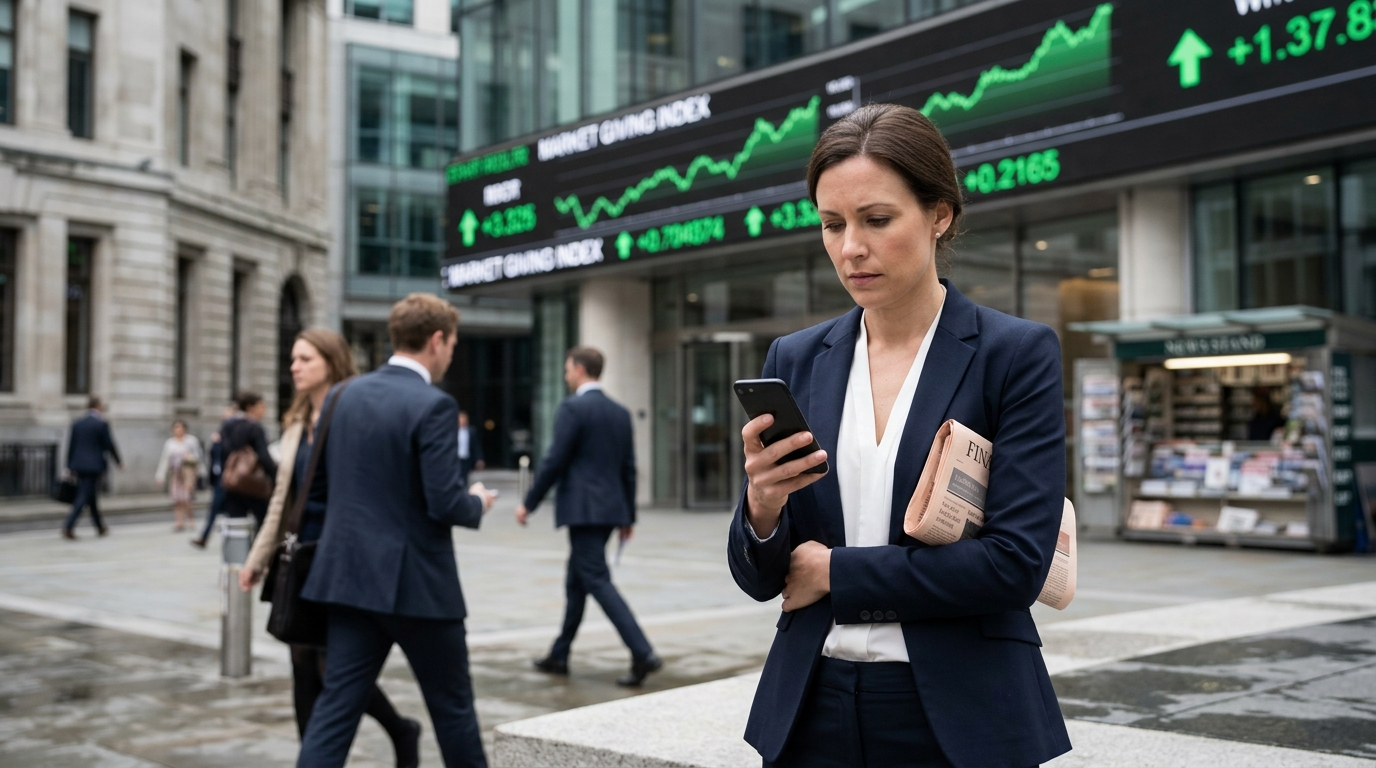
That is the part worth sitting with. The Dow climbed roughly 246 points by mid-morning, the S&P added 0.4%, and beaten-down chip stocks bounced off their Wednesday lows. Bad data, good prices. The logic is not complicated once you understand what traders were actually pricing heading into today.
This Startup is Growing 23X Faster than Nvidia
See this official SEC document? On page 146 Elon Musk revealed the name of a startup that Jeff believes will be…
The next monster IPO on Wall Street. (Click here to get the details.)
Even though this has nothing to do with robots, self-driving cars, or rockets…
This startup is growing faster than Tesla… faster than SpaceX… and even 23 times faster than Nvidia.
That’s why The Atlantic called it…
“The fastest-growing business in the history of capitalism.” (Click here to get the name, 100% free of charge.)
Here is where it gets interesting. For most of the past six weeks, the dominant fear in this market was not a slowing economy. It was a Fed that might hike. Following the jobs number, traders took a potential September hike essentially off the table, though futures markets still point to a possible increase in October, according to the CME FedWatch gauge. That calculus shifted inside of about 30 minutes.
The 2-year Treasury yield, which is the maturity most sensitive to Fed policy expectations, dropped more than 5 basis points to 4.108% immediately after the report. That is not a small move for a single morning in rates. The bond market said what it thought before stocks had even processed the headline.
Slight tangent, but it matters: the Fed has been living in an uncomfortable spot since Kevin Warsh took over. Inflation has been running north of the 2% target for more than five years, with the most recent surge driven in part by the Iran conflict and ongoing tariff impacts. At his first meeting in June, the FOMC voted unanimously to hold the federal funds rate at 3.50% to 3.75%, but the committee’s dot plot showed most members leaning toward hikes this year rather than cuts. That was the hawkish shock that set up today’s relief rally.
$7 Trillion Is Looking for a New Home
McKinsey Research says as much as $7 trillion could pour into a new market sector by the end of this decade. That’s more wealth than the entire German economy. Own those stocks – especially the seven tickers we just rounded up – and you could see as much as 10X your money. And you could still get in for as little as $50 a share.
Now 57,000 payrolls complicates that.
The probability of a rate hike at the July 29 meeting collapsed to roughly 22% per the CME FedWatch tool, with a hold now the overwhelming favorite. Meanwhile, BMO Capital Markets head of U.S. rates strategy Ian Lyngen noted that the data makes it difficult to envision a path toward a July hike even if inflation surprises to the upside.
What investors are missing is the inflation half of this story. Average hourly earnings rose 0.3% in June to $37.64, up 3.5% over the year. But May inflation ran at 4.2%, the biggest annual increase since April 2023. That means real wages are still negative. The Fed pauses, sure. But it does not cut. The difference between those two things has enormous implications for how you position your portfolio heading into Q3 earnings season.
The next FOMC decision is at the July 28 to 29 meeting, Warsh’s second as chair.
The seasonal angle that almost nobody mentioned: leisure and hospitality employment fell 61,000 in June, reflecting weaker than usual seasonal hiring. Goldman Sachs had estimated the FIFA World Cup would provide a boost of roughly 40,000 jobs to the sector. Instead the opposite happened. That is not a labor market cracking under fundamental pressure. That is statistical noise wearing a macro costume.
50 Years of Trading on One Page
I’ve been trading for over 50 years, and I’ve made every mistake an options trader can make.
Here’s what I learned:
So I wrote down the 7 that matter. Normally $29.97. Free today.
The broader labor market is softer than it was in Q1, but it is not falling apart. The average monthly job gain over the prior 12 months now stands at just 36,000, per the BLS. The Fed has room to stay patient. What it does not have is a clear reason to cut.
So this relief rally may carry into next week. Whether it survives Q2 earnings season starting mid-July is the actual question nobody has an answer to yet.