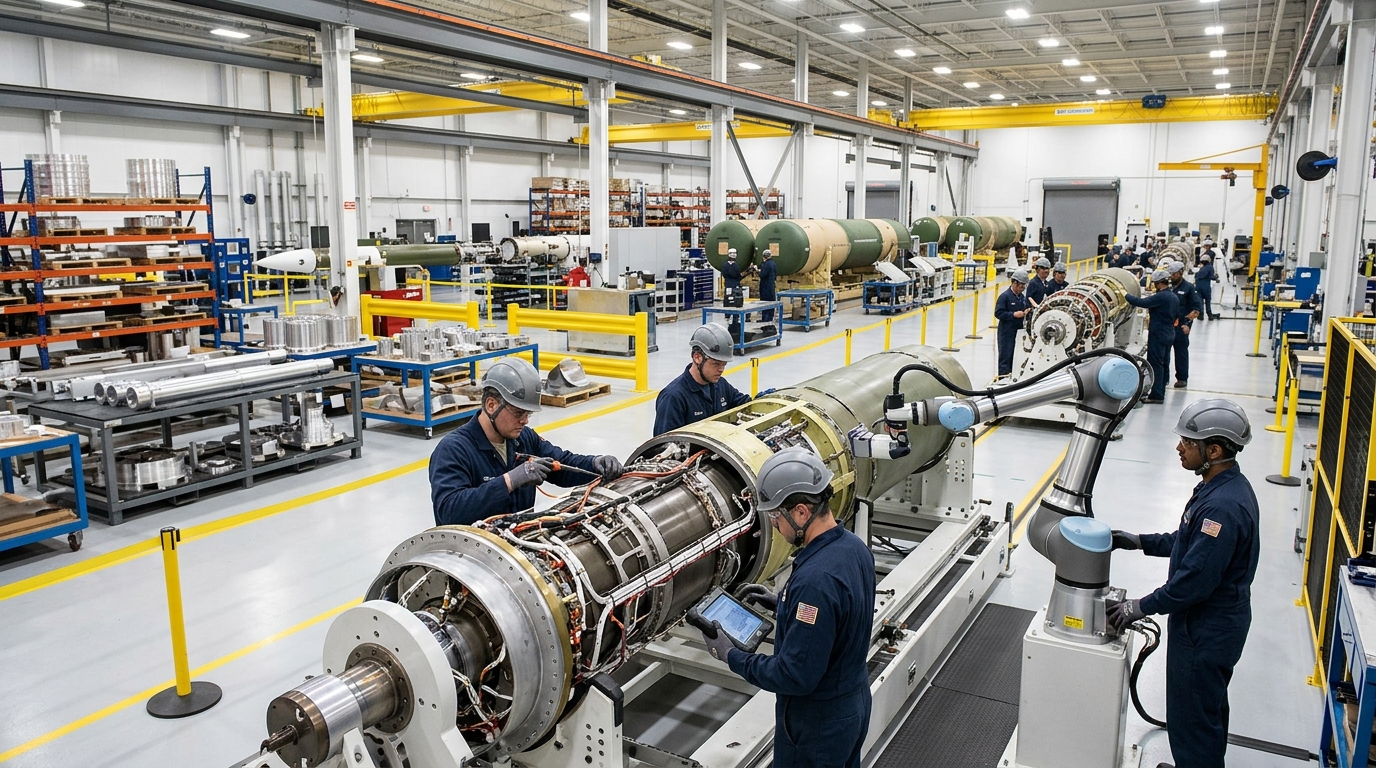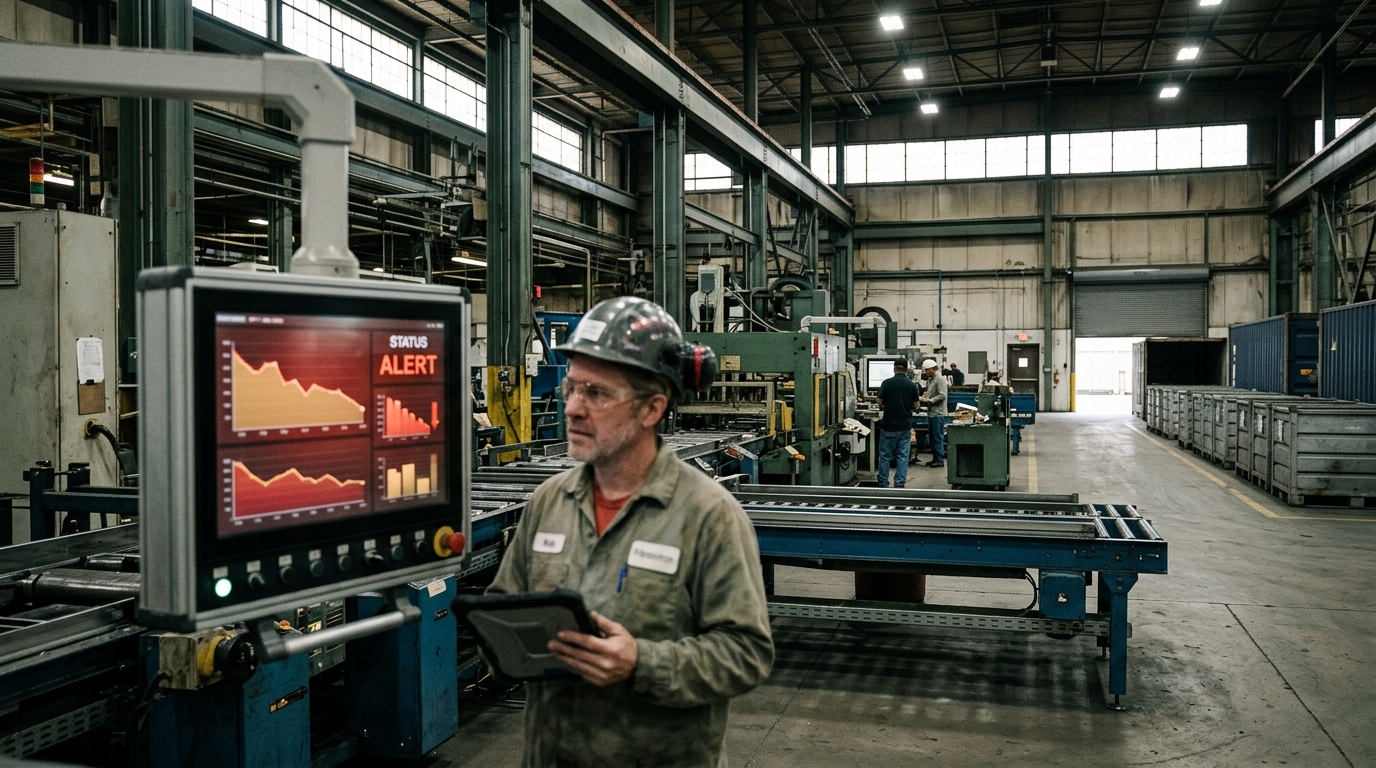
Two data points arrived this morning that, taken together, make a clear argument against buying industrials into this afternoon’s Fed announcement. The first is domestic, the second is global, and they are pointing in the same direction.
What the Empire State Survey Actually Said
The New York Fed’s Empire State Manufacturing Index fell 13 points to 7.6 in September from 20.6 in August, missing expectations of 14.75. That 13-point swing is the headline, but the internals are the real story. New orders edged up while shipments declined slightly, unfilled orders increased, delivery times lengthened substantially, and the pace of input price and selling price increases accelerated from already elevated levels. Specifically, the prices paid index rose five points to 63.1, edging above its recent four-year high reached in May 2026, and the prices received index rose five points to 28.1.
This is a stagflationary read. Activity moderated sharply after August’s four-year high, yet costs kept climbing. For a manufacturer running on tighter margins, that combination is a margin squeeze in real time. The pace of input price and selling price increases accelerated from already elevated levels, though looking ahead, firms maintained an optimistic outlook for business activity. That forward optimism, with the future index at 29, is worth acknowledging. It is not, however, a reason to ignore what current conditions are showing.
Japan Adds a Second Data Point
Overnight, the global picture reinforced the domestic read. Japan’s core machinery orders fell 3.7% month-on-month to JPY 1,016.9 billion in July 2026, and missed expectations for a 2.8% decline, with both manufacturing and non-manufacturing orders weaker. On a year-over-year basis, orders rose 11.2%, below the 15.3% forecast and down from 16.9%.
Core machinery orders are seen as a key yet volatile leading indicator of capital expenditure over the coming six to nine months. Four monthly declines in a single calendar year is not noise. It is a trend, and it describes slowing corporate investment appetite from a major global manufacturing economy precisely when U.S. industrials most need end-market support.
What This Means for CAT, DE, PH, and ETN
The industrials most exposed to this data are the ones priced for continued expansion. Caterpillar stock has delivered a stunning 95% return over the last twelve months, significantly outpacing its industrial peers. Management is guiding for full-year 2026 sales and revenues to see mid- to high teens growth. That guidance was issued before today’s data, and before the Fed decision that lands at 2:00 PM ET.
The current U.S. interest rate is 3.50% to 3.75%, held at the July meeting, but after Chair Kevin Warsh’s Jackson Hole speech on August 28, markets moved to price a rise to 3.75% to 4.00% as more likely than not. J.P. Morgan Wealth Management expects a 25-basis-point hike, while Goldman Sachs calls a September hike “very unlikely” and expects the Fed to hold through the rest of 2026. That disagreement between major institutions is itself a risk: whichever side is wrong will be forced to rapidly adjust positions.
Parker-Hannifin and Eaton carry similar exposure. Both benefit from capital spending cycles. Slowing Japanese machinery orders are a leading read on exactly that cycle globally, and today’s Empire State data confirms U.S. conditions are softening too, even if not yet contracting. Bearish options flow has been noted in Eaton, with put volume running at roughly twice expected levels. That is institutional money hedging, not retail noise.
The Trade Plan
The argument for avoiding fresh long positions in industrials today is straightforward: the sector faces a rising-cost, slowing-demand environment, a hawkish Fed risk, and global machinery data that is deteriorating on a multi-month basis. None of that kills the sector’s longer-term case, particularly for names with infrastructure and energy exposure. But it creates real downside risk into a Fed announcement where a hike would hit rate-sensitive capex assumptions directly.
Traders already long CAT, DE, PH, or ETN should identify support levels and define their exit conditions before 2:00 PM. New positions in the group should wait for the Fed statement and, if a hike lands, for a concrete level to re-enter rather than trying to catch a falling move. The data this morning says patience is the higher-conviction posture.