May 16, 2026
Why I Flew on a Tiny Helicopter Next to a Potential Nuclear Bomb Target
FEATURED: UNH: The Turnaround Trade Wall Street Is Quietly Rebuilding a Case For
Editor’s note: Please see the following from Professor Joel Litman, a former consultant to the Pentagon and FBI, who just flew a small helicopter near one of the most secure sites in America to uncover what he says could soon become the biggest stock market story of 2026…
Potential $10 Trillion Breakthrough
I just traveled halfway around the world to one of the most remote and possibly dangerous sites in America… to witness a potential $10 trillion technology backed by Elon Musk and Sam Altman.
The site I visited is in an area marked as a “top 7 nuclear target” by Russia – alongside Camp David and the Pentagon.
And every morning, at 6 a.m., you may hear bombs going off.
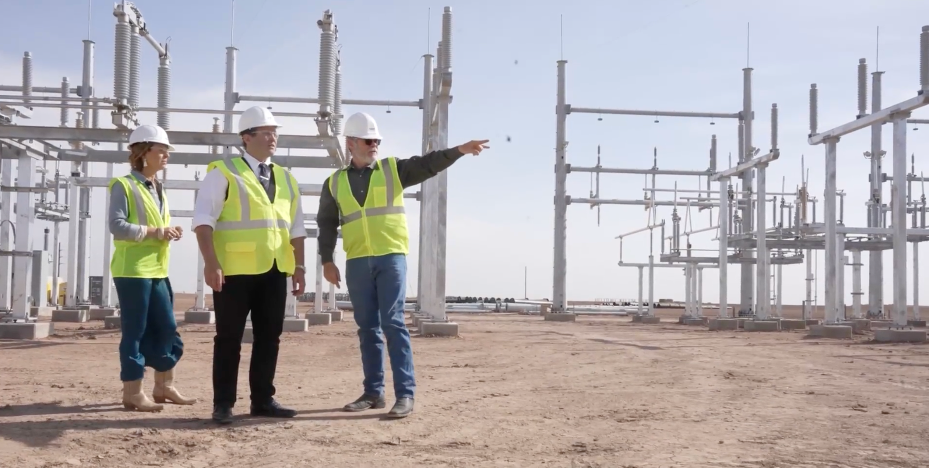
This is me flying in on a small helicopter…

You’d be arrested if you got too close to this place…
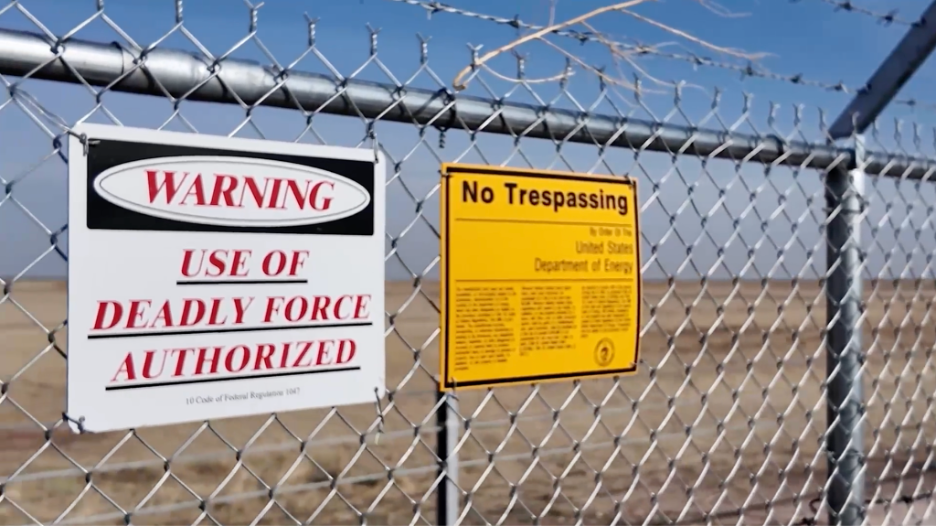
But I got special permission to enter… because I know what’s hiding in plain sight there…
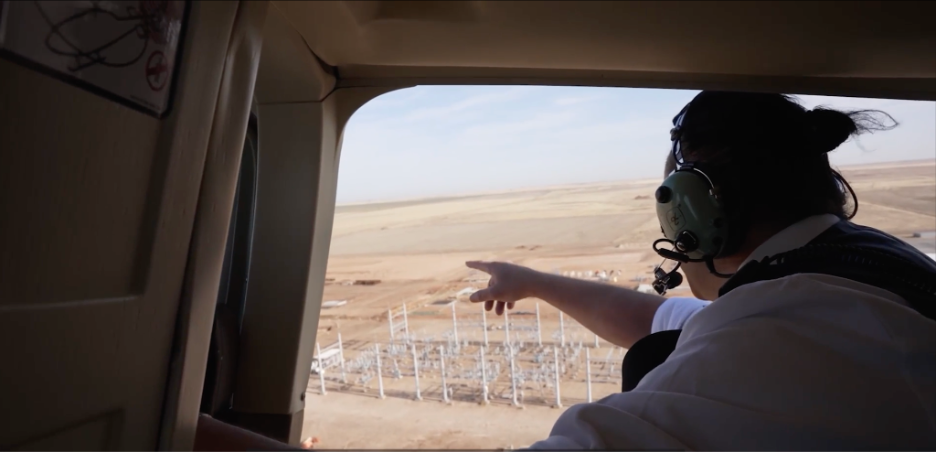
And it’s quickly becoming one of the most sought-after products in the world, with “years-long” backlogs already forming.
The Financial Times reports that Sam Altman has been begging a small company over the phone to build this for him.
This is supported by Meta, Google parent Alphabet, Amazon, and Nvidia CEO Jensen Huang…
And even President Trump has stepped in to greenlight this underlying technology with an emergency executive order.
But most importantly for you…
I believe the stocks involved in this could soar in the days ahead as this news breaks.
That’s because no one – not even Elon Musk – can get their hands on this without going through a small group of little-known companies that own the rights to this technology.
You could back these companies right now, in your regular brokerage account – before this goes mainstream.
I’m sharing all the details on the ground at this heavily secured site in West Texas, where this technology is about to go live…
Click here to see my full report.
Regards,
Joel Litman
Chief Investment Officer, Altimetry
P.S. I’m sharing the name of the company that Sam Altman has asked to build this tech for OpenAI – for free.
FEATURED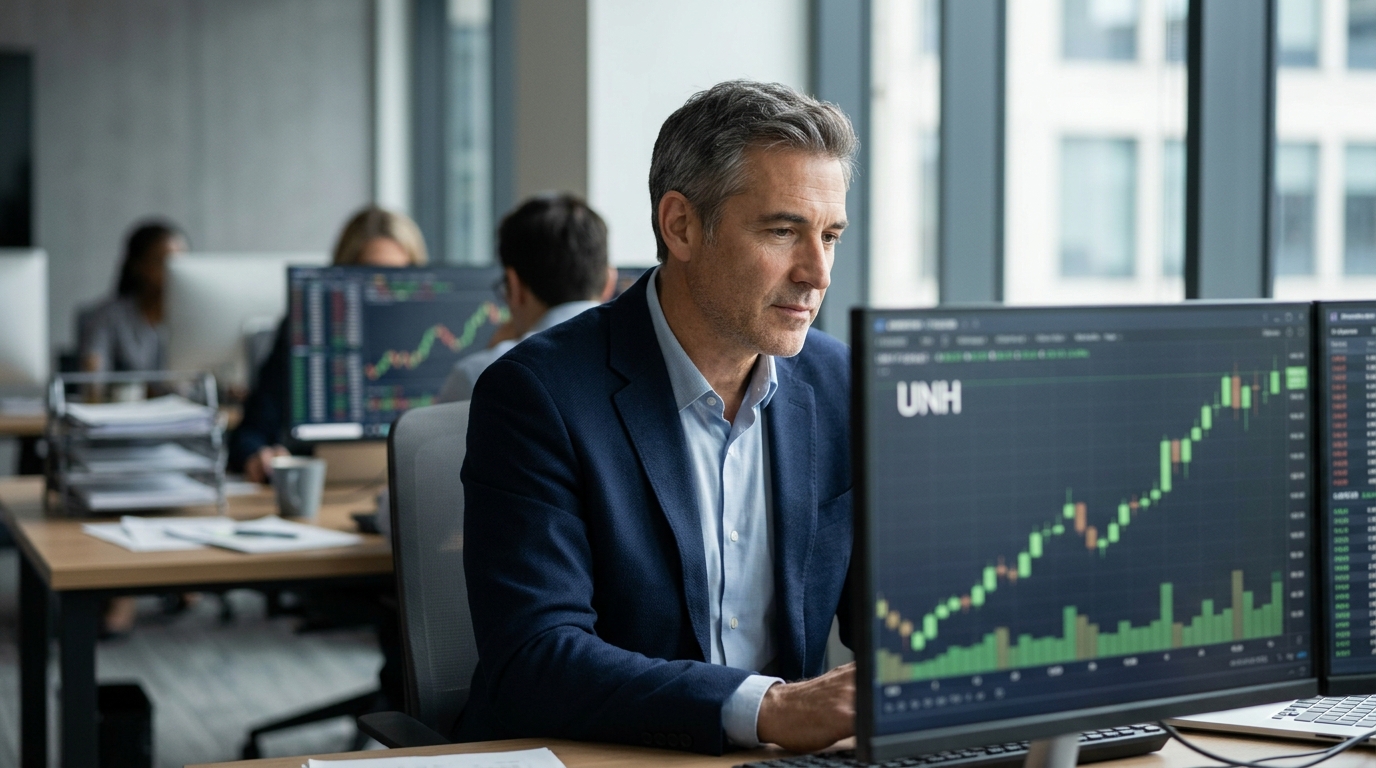
UNH: The Turnaround Trade Wall Street Is Quietly Rebuilding a Case For
UnitedHealth Group (UNH) has had one of the most brutal 16 months in modern blue-chip history. CEO departure, a criminal DOJ investigation, a $200 billion-plus market cap erasure, the first revenue guidance decline in more than a decade. The stock went from potential trillion-dollar healthcare company to restructuring story in under two years.
And yet — UNH closed at $399 on May 13, up nearly 47% from its March 2026 lows of $270.
Goldman Sachs added it to its conviction list this week. Twenty-two of 28 analysts surveyed by S&P Global now rate it Buy or Strong Buy. Something is shifting — or at least, Wall Street thinks something is shifting. The question is whether the recovery thesis holds, or whether the DOJ investigation makes the whole thing moot.
What Actually Broke
The collapse started compounding in late 2024 and accelerated through early 2026. Andrew Witty resigned suddenly as CEO. The company pulled its full-year earnings guidance, citing surging medical costs. The DOJ’s Health Care Fraud Unit launched a criminal investigation into Medicare Advantage billing practices — specifically whether UNH inflated patient diagnoses to trigger higher government reimbursements. And CMS proposed a near-flat 0.09% Medicare Advantage rate increase for 2027, which the market read as a direct threat to the company’s largest revenue segment.
On January 27, 2026, the stock dropped 19.6% in a single session — one of the worst one-day collapses for an S&P 100 component since Netflix in 2022.
The Recovery Argument
Here’s where Goldman and the bulls are leaning in. UNH exited Medicare Advantage markets in 109 counties across 16 states that weren’t profitable. That deliberate contraction helped reduce the overall medical cost ratio by 90 basis points year over year in Q1 2026. Optum Health posted $1.3 billion in adjusted earnings. And critically, CMS issued final 2027 Medicare Advantage rate increases that came in significantly higher than the initial proposal — a meaningful policy tailwind the bears hadn’t modeled.
Stephen Hemsley — the executive who built UNH’s Optum flywheel over the previous two decades — returned as CEO in May 2025. Management’s stated focus is margin recovery over membership volume, a deliberate strategic shift. OptumHealth margins are expected to improve steadily through 2026 and accelerate into 2027.
At current levels, UNH trades at roughly 15.5x NTM P/E and 11.4x NTM EV/EBITDA — some of its lowest forward multiples in years, against a 10-year revenue CAGR of 11%. The dividend yield alone sits around 3.2%.
Bull / Base / Bear
- Bull: DOJ investigation resolves via settlement, Medicare Advantage margins recover as the repricing cycle turns, Optum AI investments show up in 2027 financials. Stock rerates toward $500+.
- Base: Investigation drags on without escalation, margins grind higher slowly, Q2 earnings in late July confirm Q1 wasn’t a one-quarter anomaly. Stock holds $380–$420 range.
- Bear: DOJ forces restructuring of Optum’s physician business, Medicare funding pressure continues beyond 2027, membership contraction accelerates. Stock retests $270–$280 March lows.
The Part People Skip
The DOJ investigation has no resolution timeline. That’s the thing. No model can price an open-ended federal criminal probe accurately. The mid-case scenario from TIKR — using conservative 6% revenue CAGR assumptions through 2030 and margins well below peak — implies roughly 63% upside from May 13 levels. That math works if execution holds and the DOJ doesn’t force structural change.
Q2 earnings are expected in late July 2026. That’s the next real data point — and it’s the one that will tell investors whether Q1’s margin progress was real or just noise from the county exits. Until then, the 47% recovery is real, but so is the overhang. UNH is no longer the defensive blue-chip it once was. It’s a conviction trade now, and that cuts both ways.
For informational purposes only.