October 26, 2026
Bonus Content: UPS Costs Are Rising. Crewless Coastal Tugs Could Fix That.
Mining currently earns the highest profit margins of any major sector.
About 31%.
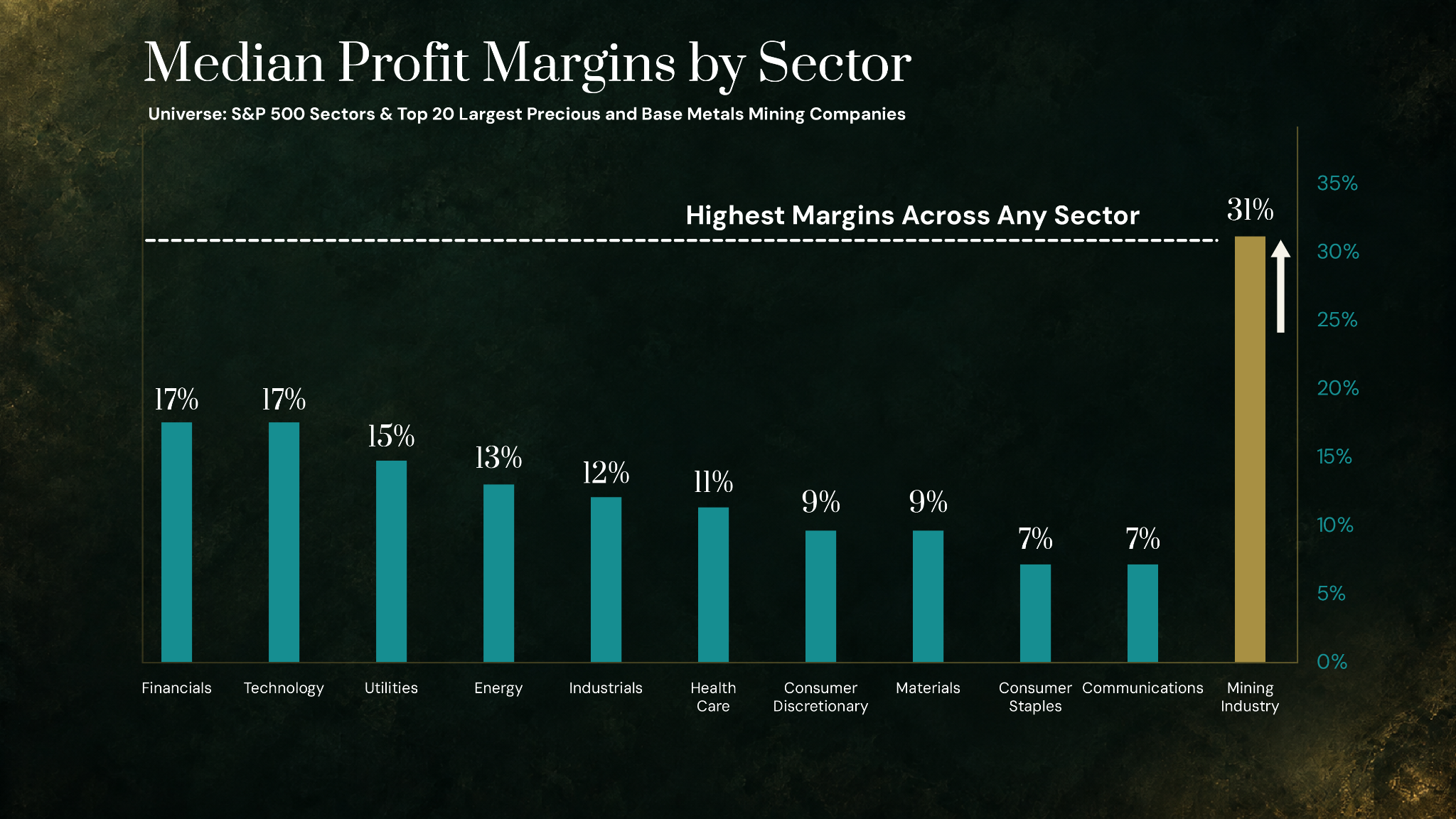
The next best sector earns just 17%. Now, here’s the kicker…
Mining only represents 1% of global equities.
Read those two facts again.
The sector with the highest profitability…
Is also the least owned – going back more than a century. Go here for the full story on the top-performing investment sector – and my top four picks
This kind of anomaly doesn’t last long.
That’s why I put together this special briefing – to tell you about the four best miners you can buy today. Go here for the full write-up.
My name is Garrett Goggin.
I’m one of 200,000 CFA charterholders worldwide. I’m also a Certified Market Technician, and I’ve spent more than two decades specializing in gold and mining.
Porter Stansberry calls me “THE most knowledgeable gold investor in the world.”
Right now, I’m looking at one of the strangest mispricings I’ve seen in my career.
Mining companies are churning out record free cash flow…
And almost no one cares.
Investors are still chasing AI tech stocks and won’t touch the most profitable sector in all of finance.
This kind of thing only happens a few times a century…
I call it the “Golden Anomaly.” Go here to read all about it before it’s gone.
Because if I’m right, this opportunity will disappear as investors rotate into gold miners to protect their wealth when the AI trade finally breaks.
These four miners offer the greatest upside.
Regards,
Garrett Goggin, CFA, CMT
Lead Analyst and Founder, Golden Portfolio
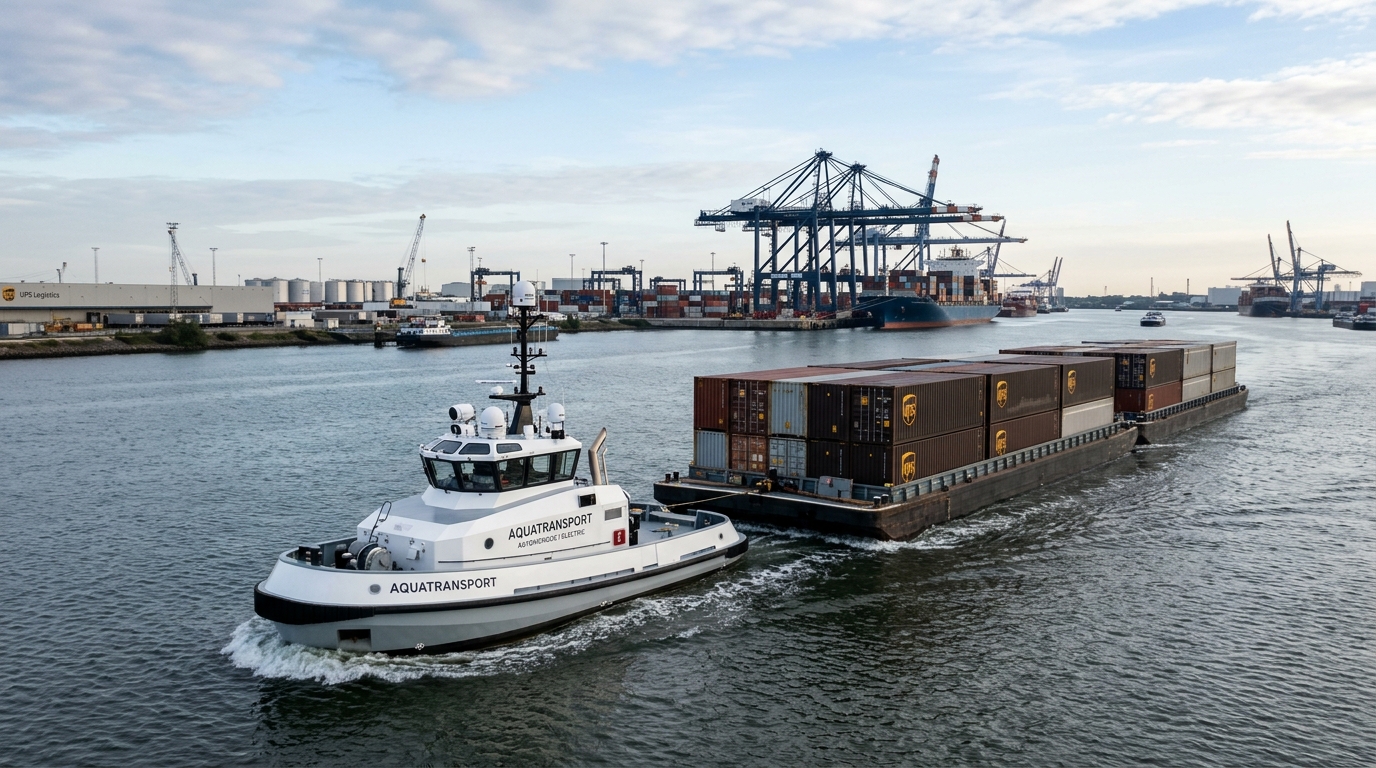
UPS Costs Are Rising. Crewless Coastal Tugs Could Fix That.
Hey there, bargain hunter. UPS has a math problem that no surcharge fully solves.
The Scoreboard
In Q2 2026, UPS’s non-GAAP adjusted domestic cost per piece hit $13.09, up 8% year over year. Q1 was worse on a GAAP basis: $13.40, a 9.7% climb from the same quarter in 2025. The company is targeting approximately $3 billion in 2026 cost savings through network reconfiguration initiatives that include workforce reductions and building closures, and it is making progress. But labor and fuel are structural drags that headcount cuts only partially offset. The question bargain hunters should be asking is: what comes after the layoffs?
The Real Reason This Matters Now
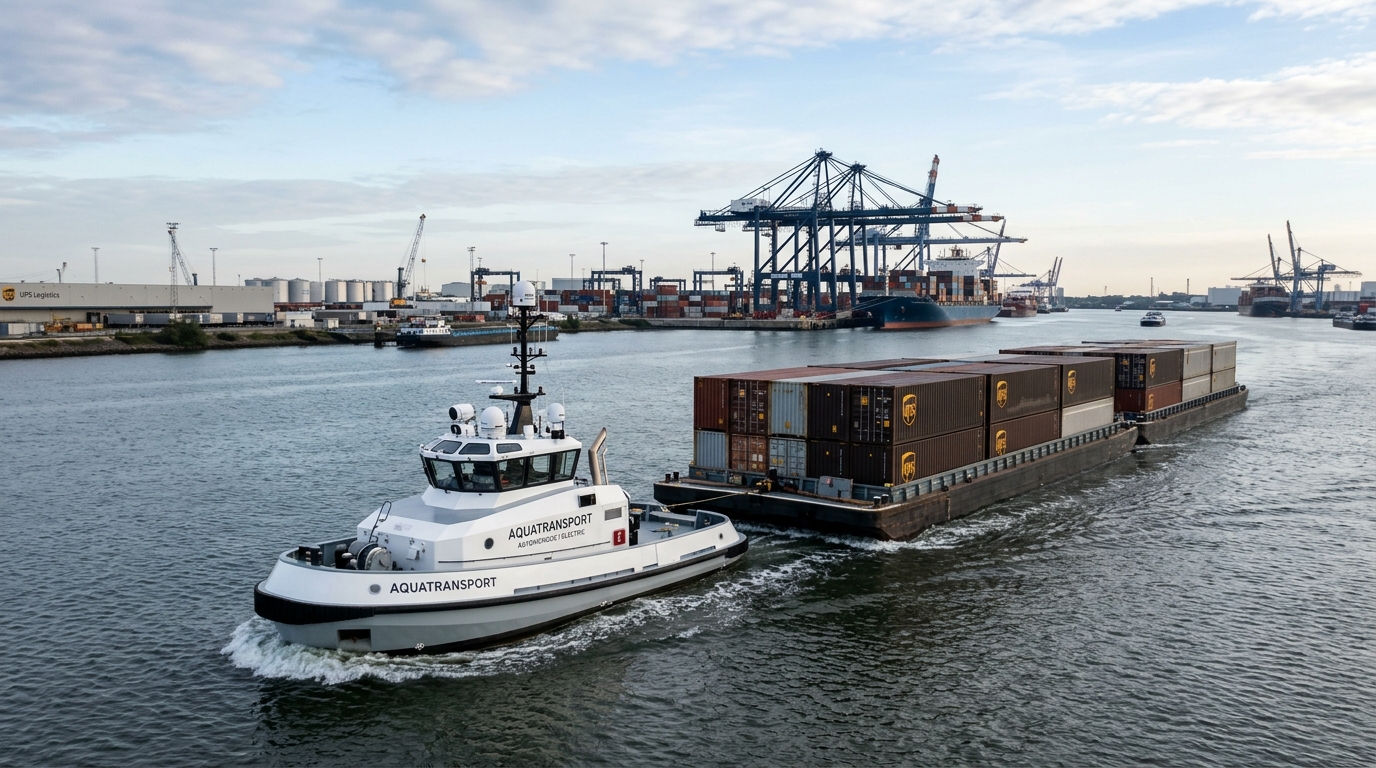
The answer arriving in 2026 is autonomous short-sea shipping, and the commercial proof-of-concept is no longer theoretical. Japan’s GENBU, a 134.9-meter, 700-TEU coastal container vessel built under the Nippon Foundation’s MEGURI2040 program, entered regular commercial cargo service on January 30, 2026, becoming the first vessel reported by the foundation to carry regular cargo in “commercial service” with autonomous navigation functions equivalent to Level 4. It runs a fixed route connecting Kobe to Tokyo via Osaka, Nagoya, Shimizu, Yokohama, and Tokyo.
This is the technology template that logistics networks like UPS’s global supply chain arm should be watching closely. UPS already operates a multimodal ocean freight platform. Short-sea autonomous and remote-operated coastal vessels, moving cargo between coastal hubs with less onboard crew overhead, represent the next logical rung on the cost ladder.
The Economics
The numbers on autonomous coastal shipping are blunt. Crew-related expenses are commonly cited as one of the largest components of a ship’s operating costs, often in the neighborhood of roughly 30% to 45% depending on vessel type and trade. Autonomous and remote-operated tug systems can reduce onboard crew requirements, but the exact staffing and labor savings will vary by operating model, regulatory approvals, and port requirements.
Add electric propulsion, which a 2026 Nature paper found to be technically feasible for key short-sea segments and economically advantageous in some cases by 2030, and the operating cost case strengthens further. That same paper also points to a 62% decrease in fuel consumption for an inland tug case when switching to electric propulsion during the majority of its operating period.
Electric propulsion’s cost advantage widens as conventional fuel costs climb. Diesel has now broken records that emergency reserve releases have failed to reverse, reshaping every freight operator’s cost baseline.
The broader electric marine vessel market estimates vary by publisher. One widely circulated 2026 industry outlook pegs the electric ship market at about $8.3 billion in 2026, with projections reaching about $20.7 billion by 2034.
Is UPS Positioned to Capture This?
Not directly, not yet. UPS’s supply chain division operates as a freight forwarder and multimodal integrator rather than a vessel owner. That matters. UPS would likely capture the benefit as a customer of autonomous short-sea operators rather than as a fleet operator itself. The practical value comes from cheaper interport moves on lanes where heavy cargo currently requires crewed vessels, reducing the cost of first- and last-port-of-call freight handling in coastal hub networks.
The risk is that the technology adoption curve is slower than the cost problem. The IMO’s non-mandatory MASS Code took effect on July 1, 2026, and the IMO’s current timetable targets adoption of a mandatory MASS Code by July 1, 2030, with entry into force on January 1, 2032. Port infrastructure for high-power shore charging remains underdeveloped across most global terminals. And autonomous systems can carry higher upfront costs than conventional vessels before labor savings start accruing.
Cheap Investor Checklist
- UPS non-GAAP adjusted cost per piece: $13.09 in Q2 2026, up 8% year over year
- UPS 2026 cost savings target: approximately $3 billion via workforce and facility reductions under network efficiency initiatives
- GENBU autonomous vessel: regular commercial service began January 30, 2026, with Level 4-equivalent autonomous navigation functions (per the Nippon Foundation)
- Crew costs as share of operating costs: commonly cited as roughly 30% to 45%, varying by vessel and trade
- IMO MASS Code timeline: mandatory code targeted for adoption by July 1, 2030, with entry into force targeted for January 1, 2032
Bottom Line
If UPS’s cost-per-piece problem is partly structural, then autonomous coastal freight is a structural answer, just not a fast one. Watch whether UPS’s supply chain division begins contracting with autonomous short-sea operators for hub-to-hub coastal moves over the next 18 months. If it does, the cost trajectory improves. If it waits for the technology to fully mature, rivals who move first lock in the freight corridors first.