Yesterday was not a great day to own Caterpillar.
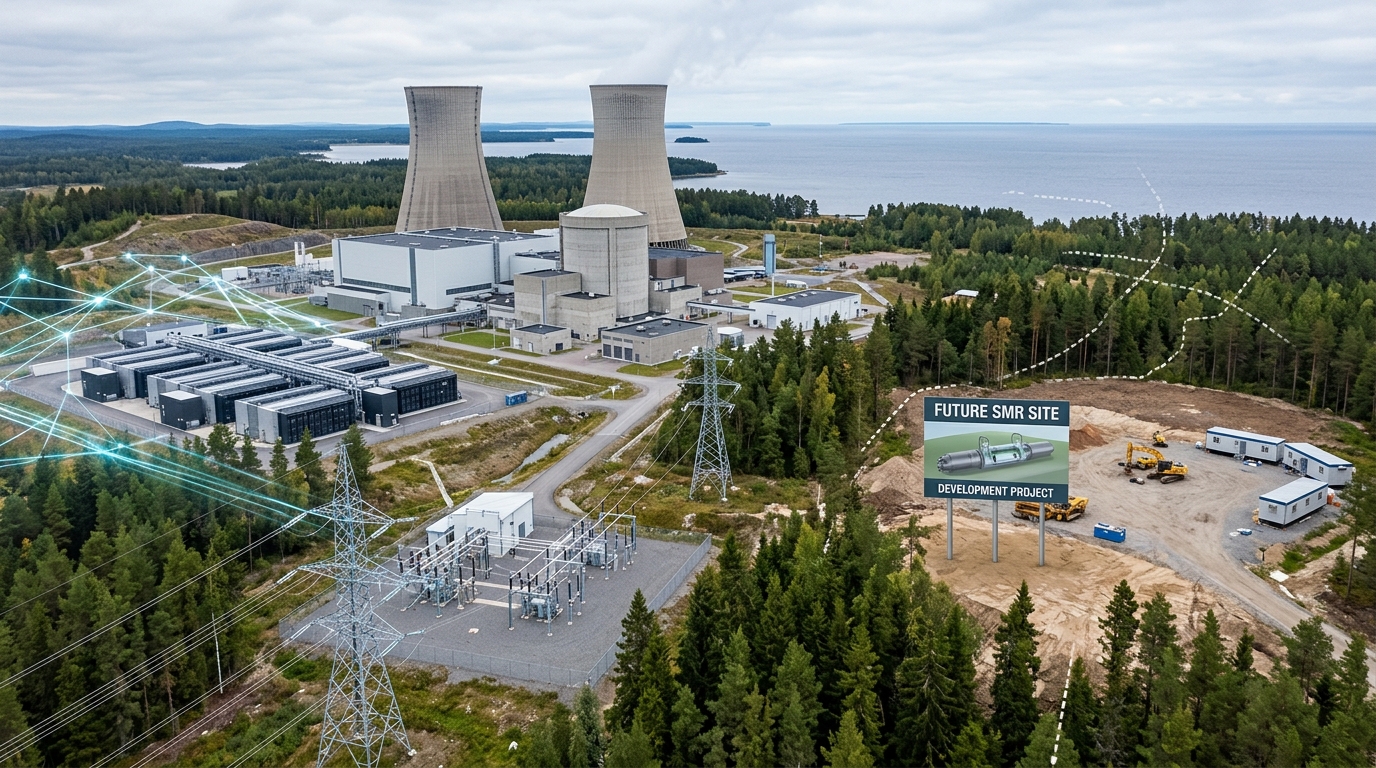
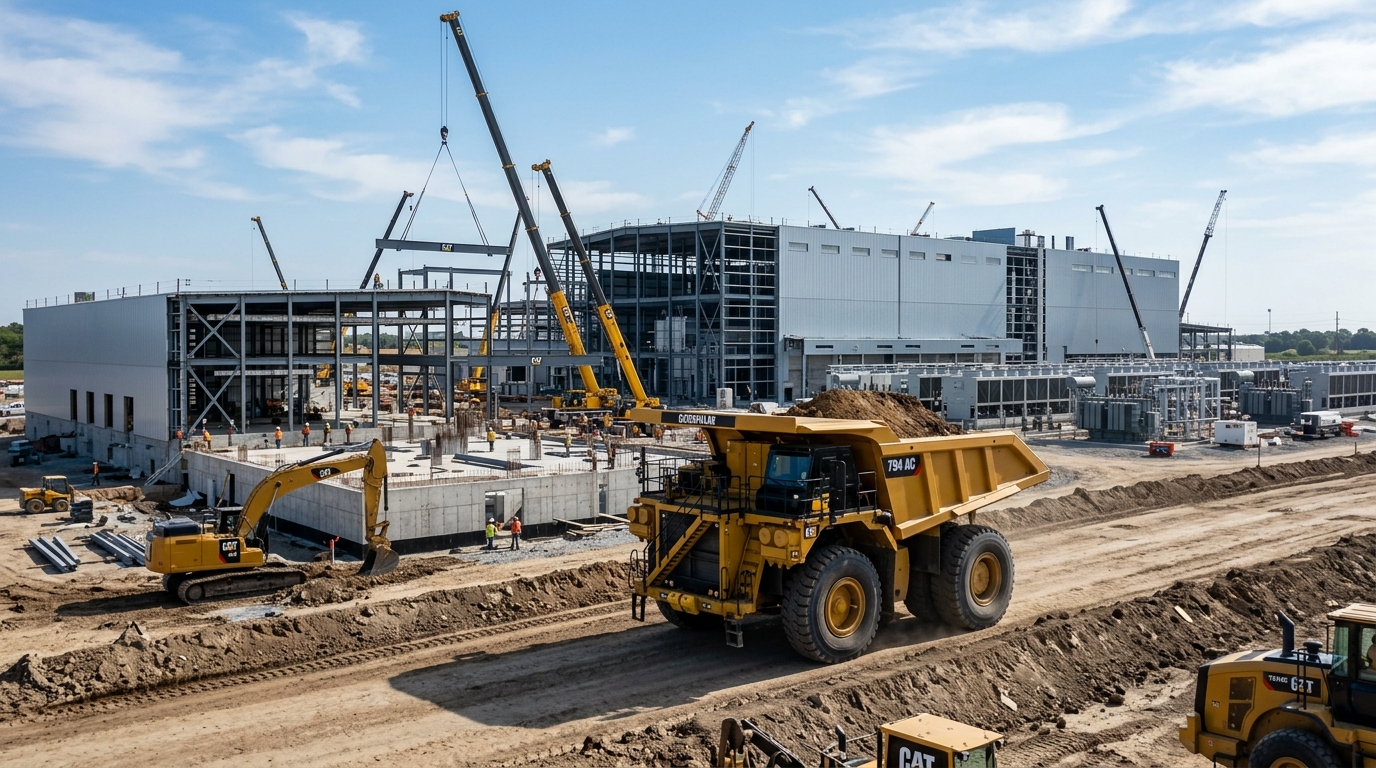
The industrial heavyweight tumbled Wednesday as Baird Equity Research downgraded the stock to neutral from outperform, citing a growing moratorium on computing facilities construction, including one issued by New York State, as part of an emerging nationwide trend. Caterpillar has been performing like a tech stock this year as investors bet on ever-growing demand for construction equipment resulting from the data center buildout. The stock is up more than 30% year-to-date and more than 85% from a year ago.
That is an unusual conversation to be having about a company that makes excavators.
But this is 2026. The AI trade found Caterpillar in a real way. While market attention often fixates on chipmakers and software giants, CAT is supplying the foundational picks and shovels needed to build and power the colossal data centers driving AI’s expansion. In Q1 2026, revenue reached $17.4 billion, up 22% year over year, with a record $63 billion order backlog, up 79% from a year earlier, predominantly fueled by AI infrastructure projects. In response to the surge in orders, the company plans to nearly triple large engine production capacity by 2030 from 2024 levels.
That is not a company hedging its bets on AI demand.
So why does this feel complicated right now?
The trailing P/E ratio is around 47x and the forward P/E is near 37x. The 20-year average P/E for CAT stock is roughly 22x. You are paying more than double the historical multiple for a company whose core industrial cycles are notoriously lumpy. Even if the AI demand story is real and durable, the valuation leaves almost no room for execution stumbles.
Slight tangent. Worldwide spending on AI could reach $2.59 trillion in 2026, up 47% year over year, according to Gartner Research. That spending covers the construction of chip factories and AI data centers. The demand is real. The question is how much Caterpillar actually captures, and whether state and local opposition to data center construction starts to meaningfully slow the pipeline. The Baird note suggests that risk is no longer theoretical.
Ahead of Q2 earnings on August 4, analysts expect EPS of $6.25, up 32.4% from the year-ago quarter. Citi raised its price target to $1,100 and Oppenheimer raised to $1,105, both maintaining bullish ratings ahead of the report.
Here is where this gets tricky for a value-oriented investor. The business has genuinely changed. The Power Generation segment is seeing strong demand with record order backlogs linked to AI infrastructure projects. A role powering large AI data centers puts the company directly in the path of long-term computing and energy buildouts, and the Power Generation segment is now closely linked to key AI infrastructure projects.
But the market has priced in perfection for a cyclical industrial at nearly 47x trailing earnings. That is the problem. August 4 is when Q2 has to justify the last twelve months of price action. If the backlog holds and margins improve, the AI infrastructure thesis gets another chapter. If construction momentum softens even slightly, the Baird downgrade will look like the first domino.
One number decides it. And right now, the market is not sure which way it lands.